Word
今に
Meaning in Englishsoon, before long, sooner or later
Animated kanji stroke order
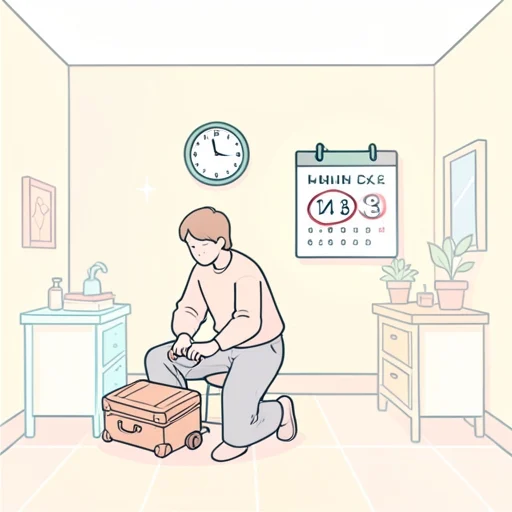
Word context
What it means
What does 今に mean? It denotes events expected to happen soon; used to set a near-future timeframe and can appear in both casual and formal contexts. It attaches to a clause to signal imminent occurrence.
Main meanings
- near-future timing: events expected to happen in the near future, with a sense of imminence
- anticipatory nuance: can convey mild urgency or expectation about a result or outcome
- register flexibility: usable in everyday speech and writing, sometimes with a slightly literary or old-fashioned tone
How to use it
Used as an adverbial phrase before verbs or clauses; typical contexts include everyday speech and writing; formal to semi-formal registers are also possible; it modifies the action's timing and can appear before the main verb to indicate upcoming events.
Variants and close terms
- すぐに (sugu ni) — soon, immediately
- 近いうちに (chikai uchi ni) — in the near future
- そのうち (sono uchi) — eventually
- 今にも (ima ni mo) — at any moment
Composition
- 今: present moment, the current time
- に: temporal particle indicating the point in time; together they form a phrase conveying action occurring in the near future
Word class
Adverbial phrase (副詞)