Word
憂鬱
Meaning in Englishdepression, melancholy
Animated kanji stroke order
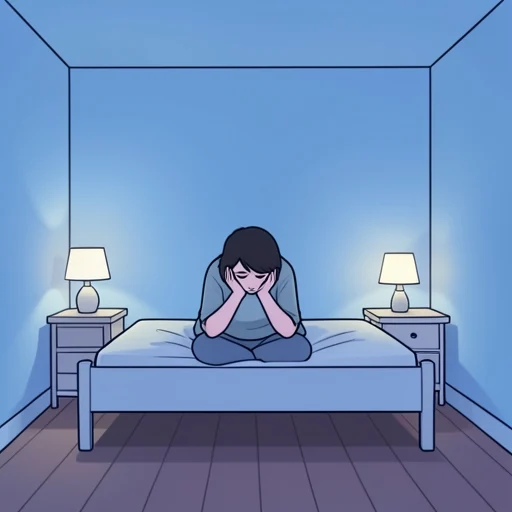
Word context
What it means
憂鬱 denotes a deep, persistent feeling of sadness or gloom that colors a person’s mood; it describes a mood state rather than a transient emotion and is common in both everyday speech and literary contexts.
Main meanings
- Melancholy or subdued mood that colors daily life
- Gloom or heaviness of mood, not necessarily clinical
- Literary or descriptive use to convey somber atmosphere
How to use it
Used as a noun and in compound phrases; in daily speech one can say 憂鬱だ or 憂鬱な気分; more formal or literary contexts; in clinical discussions, it's used as a non-technical term for feeling depressed; typical examples: 憂鬱になる, 憂鬱な天気; used with adjectives to convey mood.
Variants and close terms
- 陰鬱 (いんうつ) (in'utsu) — gloominess
- 憂い (うれい) (urei) — sorrow, wistfulness
- 鬱々 (うつうつ) (utsuutsu) — gloomily, in a state of dull heaviness
- 落ち込む/落ち込み (おちこむ) — to feel down
- 陰気 (いんき) (inki) — murkiness, gloom
Composition
- 憂: worry, concern; on'yomi ユウ; kun'yomi うれえる
- 鬱: gloom, heaviness; on'yomi ウツ; kun'yomi うつ
- 結合: together they express inward worry and gloom, yielding a mood of melancholy
Etymology
憂 (ゆう, yū) expresses worry or concern; 鬱 (うつ, utsu) conveys heaviness or gloom; together they yield the word read as yūutsu (yūutsu), representing inward sorrow.
Word class
noun (na-adjective)