Word
料金
Meaning in Englishfee, charge, fare
Animated kanji stroke order
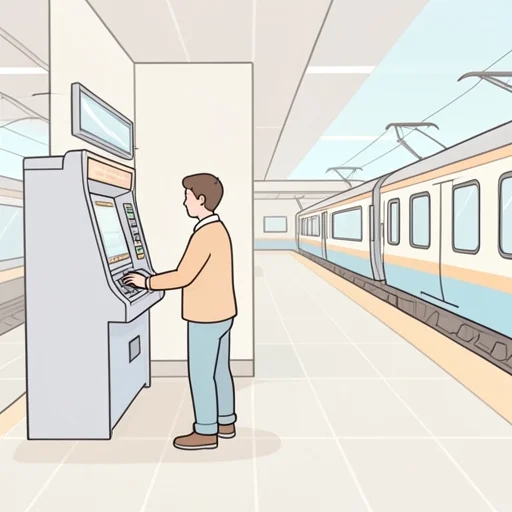
Word context
What it means
What does 料金 mean? It is the amount of money charged for goods, services, or access. In Japanese usage it denotes the price you pay for something or for entry to an activity, and it appears in pricing tables, tickets, and service charges.
Main meanings
- General price or fee for goods/services
- Admission or entry fee for events or facilities
- Transportation fares or tolls
- Shipping or handling charges
How to use it
Used in pricing contexts, contracts, menus, tickets, and official documents; the form is typically formal or neutral, and appears in written price lists, signage, and customer communications. In casual speech people may refer to 料金 when discussing costs but will often use more casual terms or the specific item price instead.
Variants and close terms
- 値段 (nedan) — price, casual
- 費用 (hiyou) — cost or expense
- 料金 (ryōkin) — official fee or charge
- チケット代 (chiketto-dai) — ticket price
Composition
- 料: fee, charge
- 金: money
- 合わさって: the two kanji indicate a monetary charge, yielding a noun that means the amount to be paid
Etymology
料金 combines 料 (fee, charge) and 金 (money); the reading is ryōkin and the word expresses a monetary charge as a single noun.
Word class
Noun (名詞)
Related words by kanji and components
N3
給料
kyuuryou
salary, wages, pay
N3
金額
kingaku
amount of money, monetary value
N3
金庫
kinko
safe, vault
N3
金銭
kinsen
money, cash, financial matters
N3
金属
kinzoku
metal, metallic material
N3
金融
kinyuu
finance, banking, financial system
N3
現金
genkin
cash, ready money
N3
材料
zairyou
material, ingredient, raw material
N3
無料
muryou
free, no charge