Word
湯気
Meaning in Englishsteam
Animated kanji stroke order
Word context
What it means
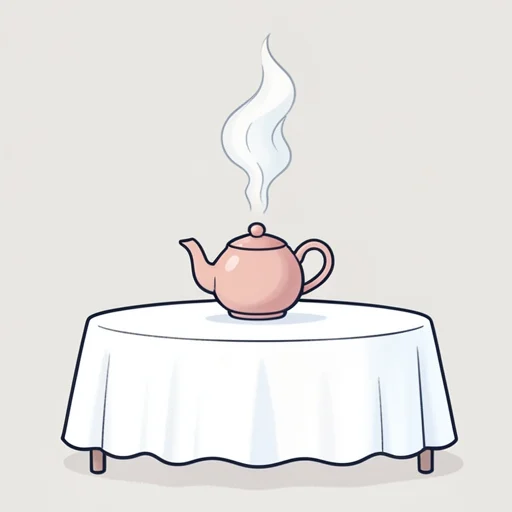
湯気 means steam or vapor rising from hot water or other heated liquids. It refers to the visible mist produced when liquid is heated, such as in tea, soup, kettles, or baths, and is a common descriptor in cooking, heating, and everyday scenes.
Main meanings
- Visible vapor emitted by boiling or heating liquids, especially in cooking or domestic settings.
- Descriptive usage in writing to convey warmth, aroma, or atmosphere around heated vessels like kettles and teapots.
- In some contexts it can describe steam in machinery or laboratory settings when discussing condensation or heat transfer.
How to use it
湯気 is used in casual and neutral contexts to describe steam from hot liquids; common in cooking, tea making, and baths, as well as in descriptive writing; in formal or technical contexts, the more general term 蒸気 may be used depending on precision.
Variants and close terms
- 蒸気 (じょうき, jōki) — general term for steam or vapor
- 水蒸気 (すいじょうき, suijōki) — water vapor
- ゆげ (yuge) — reading variation; same meaning
Composition
- 湯 — hot water
- 気 — air, vapor
- Combined meaning — steam that rises from heated water
Etymology
湯 hot water; 気 air, vapor. This is a native Japanese compound formed by combining the kun readings of the two kanji, with rendaku turning ki to ge in the pronunciation, yielding yuge.
Word class
Noun (名詞)
Related words by kanji and components
N1
根気
konki
patience; perseverance, energy
N1
寒気
samuke
chill, shiver, cold
N1
何気ない
nanigenai
casual, unconcerned
N1
熱湯
nettou
boiling water
N1
一気
ikki
at one push, in one gulp
N1
陰気
inki
gloom, melancholy
N1
浮気
uwaki
affair, to cheat
N1
気兼ね
kigane
hesitance, diffidence, feeling constraint
N1
気軽
kigaru
cheerful, buoyant, lighthearted