生きる
Meaning in Englishlive, be alive, survive
Animated kanji stroke order
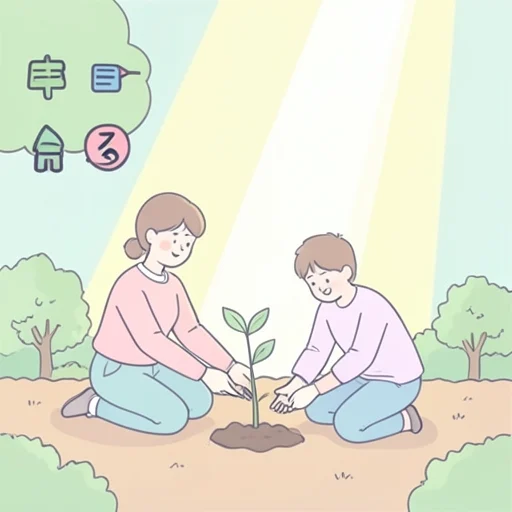
Word context
What it means
生きる means to live or be alive, describing the act of continuing to exist as a living being in the world; it encompasses vitality, endurance, and the ongoing process of life rather than a single moment of being alive.
Main meanings
- Be alive or exist in the world, the core sense of living.
- Continue to live or endure through time, often with a sense of resilience.
- Live life in a certain way or pursue life with vitality, including personal goals and values.
- In extended use, to survive or persist in challenging circumstances.
How to use it
Used in everyday speech to describe being alive, existing, or continuing to live; conjugates across tenses and politeness levels; common in both casual conversation and formal writing; often appears in compounds and phrases such as ikiteiru (living now) and ikiru in philosophical or motivational contexts.
Variants and close terms
- 暮らす (kurasu) – to live, reside
- 生存する (seizon suru) – to survive
- 存在する (sonzai suru) – to exist
Composition
- 生: life, existence
- きる: verb-forming suffix that turns a noun into a verb indicating the action of life (okurigana)
Etymology
Native Japanese verb whose form has evolved within Old Japanese toward the modern ikiru; the kanji 生 was later assigned to represent the semantic domain of life in writing.
Word class
verb (godan, 五段動詞)