生涯
Meaning in Englishone's lifetime
Animated kanji stroke order
Word context
What it means
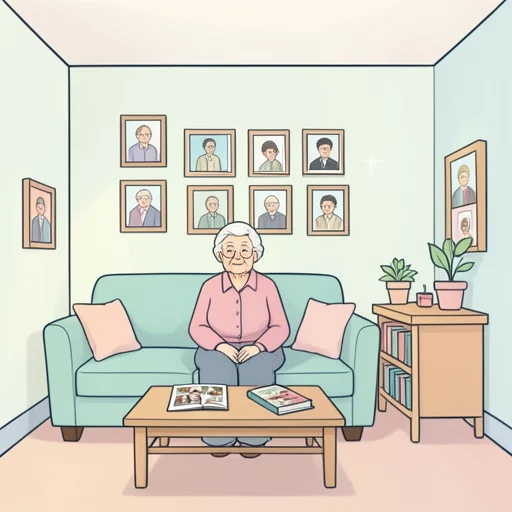
生涯 means the span of a person’s life from birth to death; the entire duration of an individual’s life, used in formal and educational contexts to describe lifelong experiences or activities.
Main meanings
- Core meaning: the entire life span from birth to death, i.e., a person's lifetime
- Temporal emphasis: highlights the duration of a person’s life across time
- Educational/biographical usage: appears in compounds like 生涯教育, 生涯学習, 生涯現役
How to use it
Primarily a noun used in formal or academic contexts; often followed by particles to indicate scope, such as 生涯を通じて or 生涯にわたって, and appears in compound terms related to education, career, and life-long activities.
Variants and close terms
- 一生 — lifetime, isshō
- 終身 — lifelong, shūshin
- 生涯教育 — lifelong education, shōgai kyōiku
- 生涯学習 — lifelong learning, shōgai gakushū
- 生涯現役 — lifelong active in one's career, shōgai geneki
Composition
- 生: life, birth; used to imply living or vitality
- 涯: edge, limit, end; marks the boundary or end
- Combination: together they express the entire span of a person’s life
Etymology
しょう + がい as the on'yomi readings of 生 and 涯, forming a Sino-Japanese compound pronounced shōgai. This reflects standard kanji-to-phoneme mapping in Japanese; the term consolidates the concept into a single noun.
Origin
Used in classical Japanese with the sense of a life course; gained prominence in educated and administrative language during the Edo period and has continued in modern Japanese in education policy, biographies, and formal discourse.
Word class
noun (名詞)