Word
留守番
Meaning in Englishcare-taking, caretaker, house-watching
Animated kanji stroke order
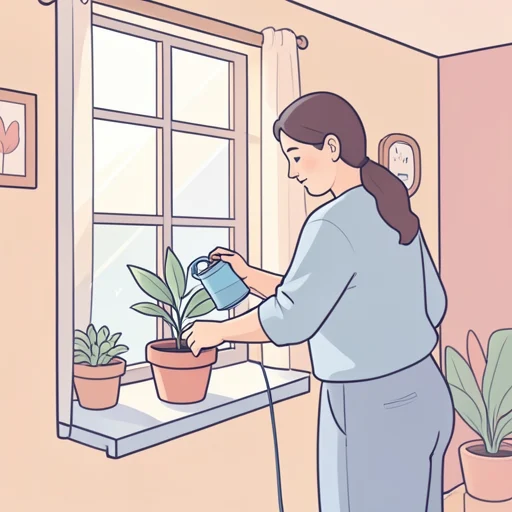
Word context
What it means
留守番 means staying at home to supervise the house and its inhabitants while others are away; it describes the role or act of remaining at home to look after the residence or pets.
Main meanings
- To stay at home to supervise a residence and any pets or belongings during an absence.
- Refers to the person who performs that duty, such as a family member or a hired house-sitter.
- Describes the duty as a temporary or security-related obligation rather than a permanent profession.
How to use it
Used as a noun that can take をする to express performing the duty; common in family contexts with children or pets; casual speech uses 留守番をする or 留守番になる; in writing, it can appear in explanations of household routines or security arrangements.
Variants and close terms
- 見守り (mimamori) — watching over
- 不在 (fuzai) — absence, away
- 在宅 (zaitaku) — at home
Composition
- 留 = stay, remain; 守 = guard, protect; 番 = watch, turn; When combined, the sequence conveys the act of staying behind to monitor a residence in someone’s absence.
Etymology
留守 (rusu) means absence or being away; 番 (ban) means watch or turn; when combined, 留守番 denotes a person who stays behind to guard the home in someone else’s absence; the reading rusuban reflects a standard kun-readings pairing.
Word class
Noun (名詞)