細い
Meaning in Englishthin, narrow, slender
Animated kanji stroke order
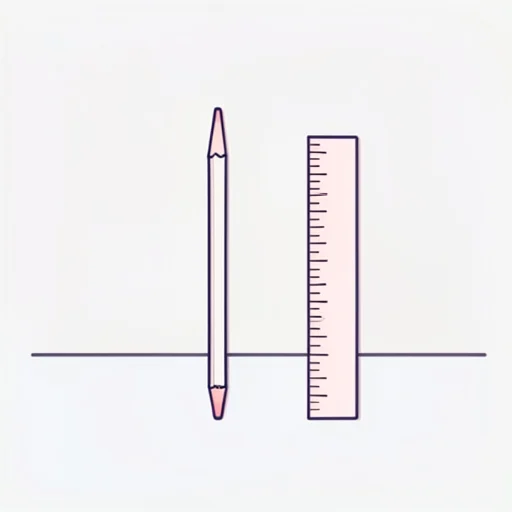
Word context
What it means
細い means thin or slender; it describes something narrow in width or a slender form. It is used for physical dimensions, objects, and can also describe a person's slender physique or a weak, high-pitched voice in some contexts.
Main meanings
- Physical thinness or slenderness of objects, threads, wires, stems
- Narrowness of spaces, openings, or passages
- Slender body or frame of a person or animal
- Delicate or faint quality when describing sounds, voices, or impressions
How to use it
Used across casual and neutral speech to describe physical thinness, width, or slenderness; it typically modifies a noun or describes a slender build, and can describe narrow spaces or weak, delicate qualities such as a細い声 when appropriate. Contexts range from everyday description to literary imagery; more formal or technical contexts may favor more precise terms for thickness or width.
Variants and close terms
- 太い, futoi — thick
- 細長い, hosonagai — long and thin
Composition
- 細 describes a thin, fine texture; left radical 糸 signals thread-like material; the overall meaning arises from the combination with the suffix い to form an i-adjective describing slenderness
Etymology
From the kanji 細 with kun reading hosoi, historically used in Japanese to express fineness or slenderness. The left radical 糸 signals thread-like texture, reinforcing the notion of thinness; over time the form acquired its modern i-adjective usage.
Word class
adjective (i-adjective)