Word
衣食住
Meaning in Englishfood, clothing and shelter
Animated kanji stroke order
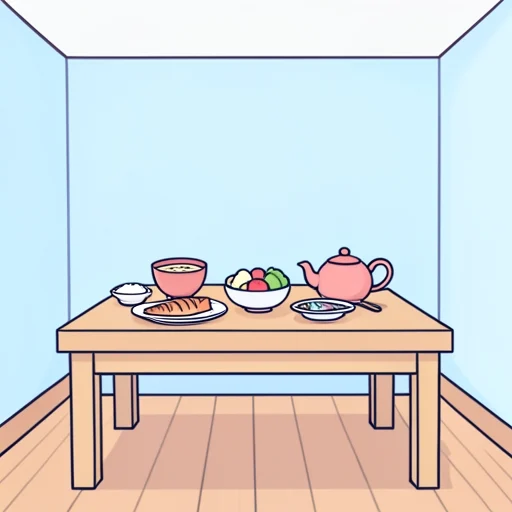
Word context
What it means
衣食住 means the three essential elements required for daily life: clothing, food, and shelter. It captures the core needs that support a person’s everyday existence and is used to discuss living standards, social welfare, and how society helps people meet these basic prerequisites.
Main meanings
- Conveys a framework for evaluating the basic needs of individuals or households, often in policy or economic analysis
- Serves as a shorthand for discussions about affordability, standards of living, and social support programs
- Used metaphorically to refer to everyday life and the essentials that sustain it, excluding luxuries
How to use it
Applied in formal writing about welfare, living standards, and economic policy; in statistical or academic contexts it frames discussions around what households need to live. In everyday discourse it appears in discussions of social safety nets and cost of living, typically in more formal registers or journalism.
Variants and close terms
- 衣食住の三要素, romaji: ishokujuu no sanyōso
- 基本的生活要素, romaji: kihonteki seikatsu yōso
- 生活の基本三要素, romaji: seikatsu no kihon sanyōso
Composition
- 衣 clothing, garment
- 食 food, nourishment
- 住 living, dwelling
- Together they denote the three indispensable pillars of daily life
Etymology
衣 い, 食 しょく, 住 じゅう combine in on'yomi to form 衣食住, pronounced ishokujuu.
Word class
compound noun (名詞)
Related words by kanji and components
N4
食事
shokuji
meal, dining, food
N5
食べませんか
tabemasen ka
shall we eat?
N5
食べる
taberu
to eat
N5
食べました
tabemashita
ate
N5
食べたことがあります
tabeta koto ga arimasu
have eaten before
N5
食べます
tabemasu
eat
N5
朝ご飯を食べます
asagohan o tabemasu
eat breakfast
N5
昼ご飯を食べます
hirugohan o tabemasu
eat lunch
N5
晩ご飯を食べます
bangohan o tabemasu
eat dinner