Word
言い訳
Meaning in Englishexcuse, explanation
Animated kanji stroke order
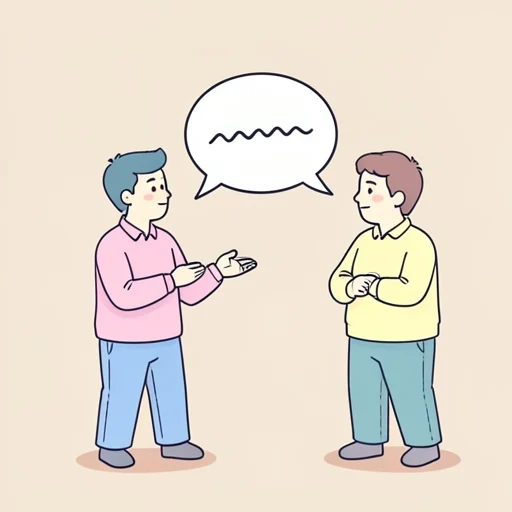
Word context
What it means
言い訳 means an excuse or justification offered to defend oneself or avoid blame. It denotes a spoken explanation that reframes a mistake or shortcoming as excusable, and may be sincere or used to deflect responsibility.
Main meanings
- The primary sense as an excuse or justification offered to defend oneself or avoid blame
- A nuance implying insincerity or an attempt to shift responsibility
- The verb form 言い訳をする describes the act of making excuses
How to use it
Used as a noun to describe an excuse, typically appearing with 言い訳をする; common in casual speech to shift responsibility; in formal discourse, it's often avoided or criticized.
Variants and close terms
- 弁解 (benkai) — defense or apology, often more formal or sincere
- 口実 (koujitsu) — pretext or excuse that hides the real reason
- 言い逃れ (iinogare) — evasion or quibble that dodges accountability
Composition
- 言い: the stem of 言う (to say); い marks the ren'yōkei form
- 訳: a noun meaning reason, explanation, or translation
Etymology
言い is the ren'yōkei of 言う, and 訳 means reason or explanation; their combination yields a native compound for a spoken justification.
Word class
Noun (名詞)
Related words by kanji and components
N1
言論
genron
discussion, speech
N1
言付け
kotozuke
to leave a message
N1
内訳
uchiwake
the items, breakdown, classification
N1
片言
katakoto
broken (in reference to speaking style, e.g., Japanese)
N1
証言
shougen
evidence, testimony
N1
助言
jogen
advice, suggestion
N1
宣言
sengen
declaration, proclamation, announcement
N1
断言
dangen
assertion, declaration, affirmation
N1
発言
hatsugen
utterance, speech, proposal