Word
言い訳
Meaning in Englishexcuse, explanation
Animated kanji stroke order
Word context
What it means
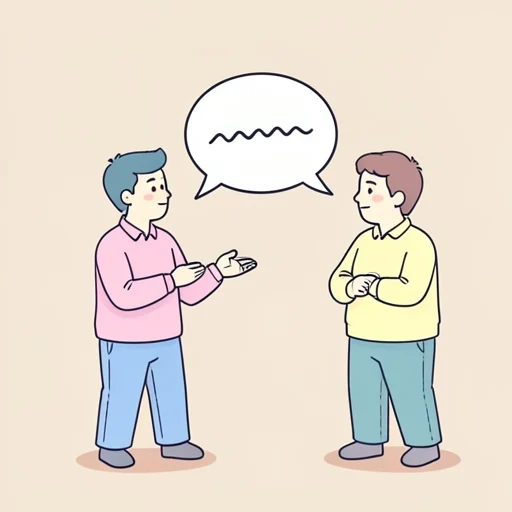
言い訳 means an excuse or justification offered to defend oneself or avoid blame. It denotes a spoken explanation that reframes a mistake or shortcoming as excusable, and may be sincere or used to deflect responsibility.
Main meanings
- The primary sense as an excuse or justification offered to defend oneself or avoid blame
- A nuance implying insincerity or an attempt to shift responsibility
- The verb form 言い訳をする describes the act of making excuses
How to use it
Used as a noun to describe an excuse, typically appearing with 言い訳をする; common in casual speech to shift responsibility; in formal discourse, it's often avoided or criticized.
Variants and close terms
- 弁解 (benkai) — defense or apology, often more formal or sincere
- 口実 (koujitsu) — pretext or excuse that hides the real reason
- 言い逃れ (iinogare) — evasion or quibble that dodges accountability
Composition
- 言い: the stem of 言う (to say); い marks the ren'yōkei form
- 訳: a noun meaning reason, explanation, or translation
Etymology
言い is the ren'yōkei of 言う, and 訳 means reason or explanation; their combination yields a native compound for a spoken justification.
Word class
Noun (名詞)