パソコン
Meaning in Englishpersonal computer, PC
Related sentences
Related sentences
There are no published items in this section yet.
Word context
What it means
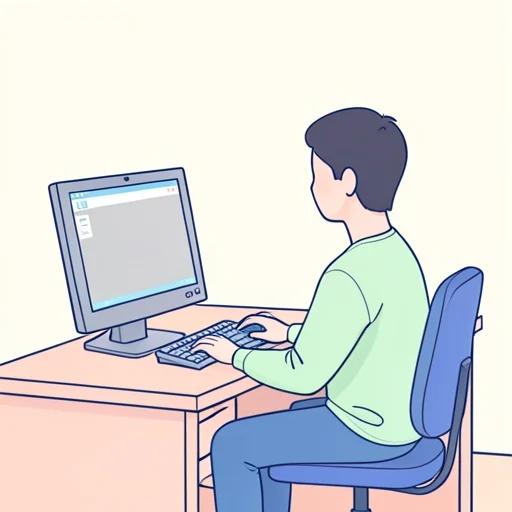
パソコン (pasokon) means a personal computer (PC): an electronic device used by an individual for tasks such as web browsing, office work, multimedia, gaming and programming. In everyday Japanese it refers to consumer and office machines (desktops and laptops) that a single user operates, emphasizing an end-user device rather than large shared computers or servers.
Main meanings
- A household or office device distinguished from smartphones and tablets by its full keyboard, larger screen and general-purpose OS.
- Metonymically, a user's machine (e.g., referring to files, settings or problems on "my PC").
- In marketing or listings, a category label that groups hardware (desktop towers, notebooks) rather than software or services.
How to use it
Used across casual conversation, advertising and journalism to mean a personal computer; common in spoken Japanese and everyday writing, while more formal texts or technical documents may prefer コンピュータ (konpyūta) or the full パーソナルコンピュータ (pāsonaru konpyūta). It also appears in compound words like ノートパソコン (nōto pasokon) for laptops and product names.
Variants and close terms
- コンピュータ (konpyūta): computer (general)
- パーソナルコンピュータ (pāsonaru konpyūta): personal computer (full form)
- ノートパソコン (nōto pasokon): laptop computer
- デスクトップ (desukutoppu): desktop (desktop PC)
Etymology
パソコン (pasokon) is a clipped katakanized loanword derived from English personal computer, formed by truncation and adaptation to Japanese syllable structure (inserting vowels to fit mora-timed phonology and rendering sounds in katakana).
Origin
The term entered common use as home and office personal computers became widespread in Japan from the late 1970s into the 1980s, alongside popular domestic models and magazines that promoted consumer computing; by the 1980s the shortened katakana form was widely used in advertising, retail and everyday speech.
Word class
noun (名詞・外来語)