Word
不潔
Meaning in Englishunclean, dirty
Animated kanji stroke order
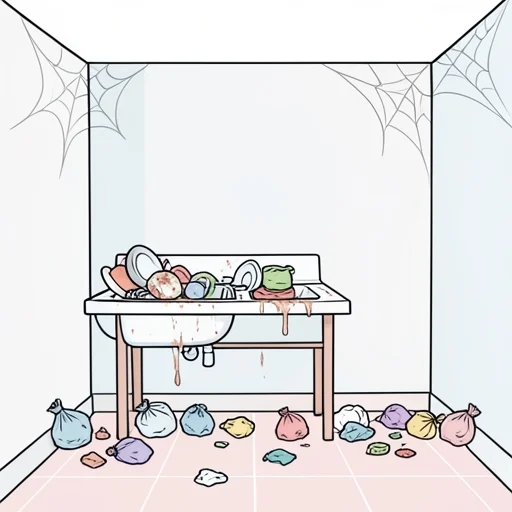
Sentence
Related sentences
Related sentences
There are no published items in this section yet.
Word context
What it means
What does 不潔 mean? It denotes uncleanliness or dirtiness; something not clean, hygienically dirty, can apply to a person, place, or object; it often carries a negative or moral overtone when describing behavior.
Main meanings
- Physical dirtiness or lack of cleanliness in a person, place, or object
- Unsanitary conditions or hygiene failures
- Figurative impurity or indecency in conduct or character
How to use it
In Japanese, 不潔 is used to describe physical dirt or unsanitary conditions, and can describe people or behavior as morally or ethically impure or indecent. It appears in both spoken and written language, with casual and formal registers; common constructions include 不潔だ and 不潔な場所.
Variants and close terms
- 汚い (kitanai) — dirty
- 不浄 (fujou) — uncleanliness, impurity
- 清潔 (seiketsu) — clean (antonym)
Composition
- 不: negation prefix, 'not'
- 潔: clean, purity; the act of being clean
Etymology
不 means not, and 潔 means clean; together they form 不潔 meaning not clean; the reading fuketsu is established in modern Japanese.
Word class
na-adjective (形容動詞)
Word
Related words by kanji and components
N1
不振
fushin
dullness, slump, stagnation
N1
不調
fuchou
bad condition, disorder, slump
N1
不当
futou
injustice, impropriety, unfair
N1
不動産
fudousan
real estate
N1
不評
fuhyou
bad reputation, disgrace, unpopularity
N1
不服
fufuku
dissatisfaction, discontent, disapproval
N1
不明
fumei
unknown, ambiguous
N1
不良
furyou
badness, delinquent, failure
N2
不運
fuun
unlucky, misfortune, bad luck
Kanji