Word
不足
Meaning in Englishinsufficiency, shortage
Animated kanji stroke order
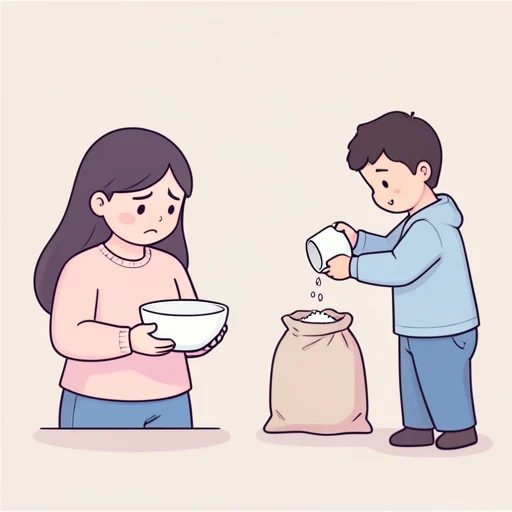
Sentence
Related sentences
Related sentences
There are no published items in this section yet.
Word context
What it means
What does 不足 mean? It designates a state in which something is not enough to meet needs or expectations; used to describe shortages of resources, time, capacity, or supply in daily life and formal contexts.
Main meanings
- insufficiency or shortage of resources, time, money, or supplies
- deficiency in capacity, skills, or capabilities within a system or organization
- in nutrition or medicine, a deficiency of a nutrient or vitamin
How to use it
Used as a noun in both formal and everyday speech to indicate a shortfall; common in business, economics, education, and government contexts; often appears in compounds such as 不足する, 不足分, 不足感, and in phrases describing needs not being met.
Variants and close terms
- 欠乏 (kettou): deficiency
- 充足 (juusoku): sufficiency
- 不十分 (fujūbun): insufficient
- 不足感 (fusokukan): sense of insufficiency
Composition
- 不: negation or 'not'
- 足: foot or 'enough'; here contributes the sense of sufficiency or lack
- Overall: together they form a compound meaning 'not enough' or 'shortage'
Word class
Noun (名詞)
Word
Related words by kanji and components
N1
不順
fujun
irregularity, unseasonableness
N1
不審
fushin
suspicious, doubt, infidelity
N1
不振
fushin
dullness, slump, stagnation
N1
不調
fuchou
bad condition, disorder, slump
N1
不当
futou
injustice, impropriety, unfair
N1
不動産
fudousan
real estate
N1
不評
fuhyou
bad reputation, disgrace, unpopularity
N1
不服
fufuku
dissatisfaction, discontent, disapproval
N1
不明
fumei
unknown, ambiguous
Kanji