前もって
Meaning in Englishin advance, beforehand, previously
Animated kanji stroke order
Related sentences
Related sentences
There are no published items in this section yet.
Word context
What it means
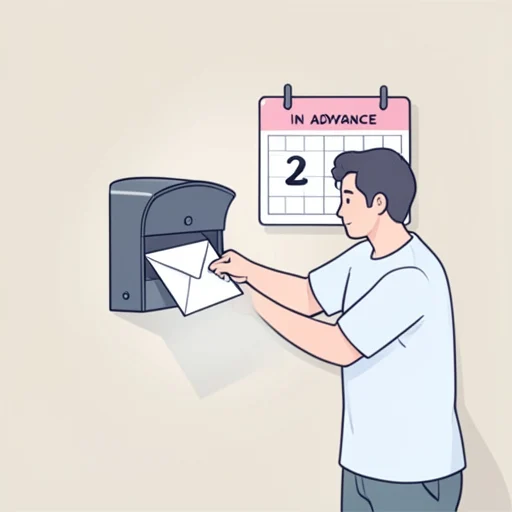
What does 前もって mean? It means doing something in advance, prior to a specific time or event, often to ensure readiness or to inform others. It describes an intentional lead time or pre-arrangement rather than an action taken spontaneously.
Main meanings
- in advance or beforehand as an adverb modifying the main verb
- used to express prior notice or preparation in formal or business contexts
- conveys proactive planning or scheduling before an event or decision
How to use it
Used before verbs to indicate that an action is done ahead of time; appropriate in formal, corporate, and official communication. For example, 会議の前に前もって通知します。イベントの準備は前もって済ませておくべきです。
Variants and close terms
- あらかじめ — arakajime
- 事前に — jizen ni
- 予め — arakajime
- 先に — saki ni
Composition
- 前: before, in front
- もって: te-form of 持つ, indicating 'having' or 'holding' in preparation
Etymology
前 + もって (the te-form of 持つ). The phrase developed from the literal sense of 'holding in front' to a figurative sense of preparatory action, with phonetic simplification leading to maemotte.
Origin
Attested in classical Japanese and continued into early modern usage; its sense of anticipatory action appears in formal and administrative language, with stable meaning in contemporary Japanese.
Word class
adverb (副詞)