国民
Meaning in Englishcitizen, people, nation
Animated kanji stroke order
Related sentences
Related sentences
There are no published items in this section yet.
Word context
What it means
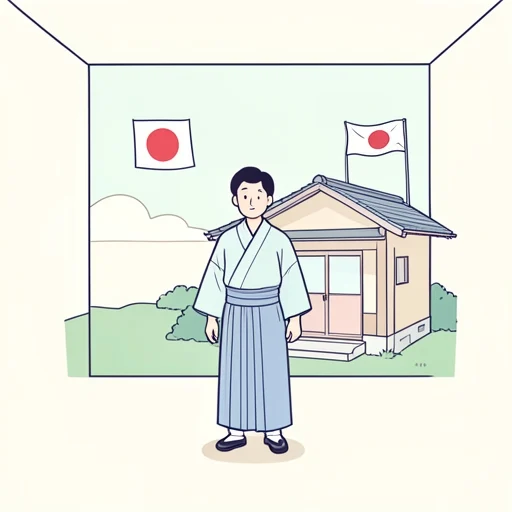
What does 国民 mean? It designates the people of a country—the citizenry or national population considered as a social group within a nation. In Japanese usage, 国民 emphasizes the collective rather than individual identities and is often used in political, legal, and public-context discourse.
Main meanings
- citizenry of a nation; romaji kokumin
- national identity and belonging; romaji kokumin
- in official or public discourse it refers to rights, duties, and civic responsibilities of the populace; romaji kokumin
How to use it
Used in formal and semi-formal contexts such as government documents, constitutions, academic writing, and media commentaries. In everyday speech, alternatives like 市民 or みんな are more common; 国民 remains the formal, collective term for the nation's people.
Variants and close terms
- 市民 — meaning citizen or urban resident; romaji shimin
- 人民 — political or historic term for the people; romaji jinmin
- 国民全体 — the entire nation; romaji kokumin zentai
Composition
- 国 — country, nation; used in compounds about the state
- 民 — people, populace; used in words about the social group or commoners
- 国民 — together denote the people of a nation
Etymology
国 (koku) + 民 (min) form the Sino-Japanese compound read in on'yomi as kokumin; this phonetic pattern is typical for compounds that pair a state-related kanji with a noun for people.
Origin
Meiji era onward, as Japan modernized and adopted centralized nationhood, 国民 came to denote the body of citizens and their political status in law and policy.
Word class
Noun (名詞)