Word
強引
Meaning in Englishforcible, assertive, pushy
Animated kanji stroke order
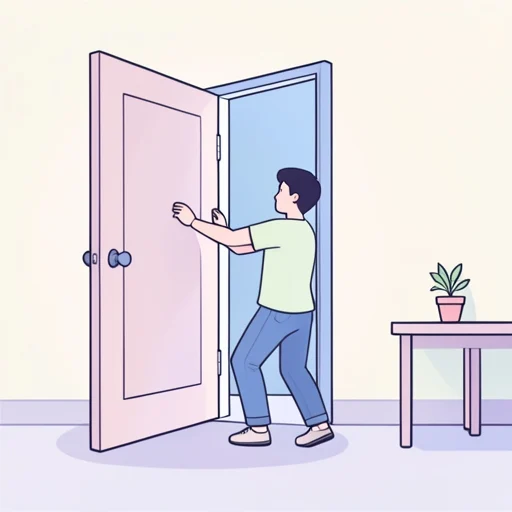
Sentence
Related sentences
Related sentences
There are no published items in this section yet.
Word context
What it means
What does 強引 mean? It denotes using force or pressure to achieve one's aims, often at the expense of others' wishes; a pushy, overbearing approach in social or professional contexts.
Main meanings
- Coercive or forceful action to secure compliance
- Pushy or overbearing behavior in personal or professional interactions
- A method or stance that relies on pressure rather than persuasion
How to use it
Used to describe behavior, approaches, or methods that press others to agree or comply; negative evaluation; common in business, politics, and daily life; typically precedes な when modifying a noun as 強引な or used as a noun meaning coercion
Variants and close terms
- 押しつけがましい (oshitsuke-gamashii) — pushy, officious
- 横暴な (ōbō na) — tyrannical, overbearing
- 強硬な (kyōkō na) — hardline, uncompromising
- 無理やりな (muriyari na) — by force, forcibly
Composition
- 強 = strong, power; 引 = pull; together imply pulling others toward one's will
Etymology
on'yomi combination of 強 and 引, form a Sino-Japanese compound expressing forceful influence
Word class
na-adjective (形容動詞)
Word
Related words by kanji and components
N2
引き返す
hikikaesu
to turn back, to go back, reverse
N2
引算
hikizan
subtraction
N2
引き出す
hikidasu
to pull out, to take out, to withdraw
N2
引き止める
hikitomeru
to keep back, to prevent, to hold back
N2
引分け
hikiwake
a draw (in competition), tie game
N2
引き分け
hikiwake
draw (in competition), tie game
N2
引っ掛かる
hikkakaru
to be caught in, to be stuck in
N2
引っ繰り返す
hikkurikaesu
to turn over, to overturn, to knock over
N2
引っ繰り返る
hikkurikaeru
to be overturned, to be upset, to topple over, to be reversed
Kanji