彼ら
Meaning in Englishthey, them, usually male
Animated kanji stroke order
Related sentences
Related sentences
There are no published items in this section yet.
Word context
What it means
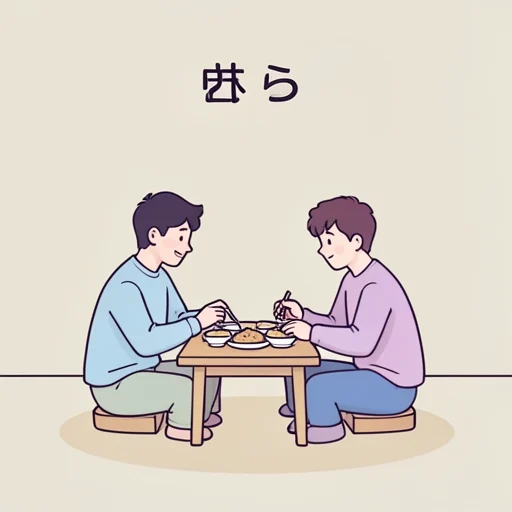
彼ら (karera) means 'they' or 'them' and refers to a group of people (commonly male or mixed-gender) spoken about by the speaker; it functions as the standard third-person plural pronoun used to point to others without naming them.
Main meanings
- 1. Refers back to a previously mentioned group of people rather than introducing new subjects.
- 2. Can create social distance or an 'othering' tone depending on context and intonation.
- 3. Sometimes applied to nonhuman groups (teams, animals, organizations) in casual speech to personify them.
- 4. May be replaced by more polite or specific terms when formality or gender-neutral phrasing is required.
How to use it
Used in everyday spoken and written Japanese to refer to other people in conversation or narrative; common in casual and neutral registers but can sound blunt or distancing in polite contexts, so speakers may choose alternatives for formality or gender sensitivity (for instance using a phrase meaning 'those people' or specific names/roles instead).
Variants and close terms
- 彼等 (karera) – same reading, alternate kanji spelling for 'they'
- 彼女ら (kanojora) – they (female group)
- あの人たち (anohitotachi) – those people (more polite/neutral)
- 私たち (watashitachi) – we (antonym in perspective)
Composition
- 彼 (kare): originally a demonstrative/third-person element meaning 'that person' or 'he'.
- ら (ra): a suffix that marks plurality when attached to pronouns or personal nouns, turning 'kare' into a plural referent.
Etymology
彼 (kare) traces to classical demonstrative forms in Old and Classical Japanese meaning 'that person/over there', while the pluralizing element ら (ra) developed historically as a personal/plural suffix attached to pronouns and names to mark plurality.
Origin
Personal pronouns like 彼ら (karera) emerged from classical demonstratives and suffixing patterns in Old Japanese and were standardized in modern usage through Meiji-era language reforms and 20th-century education, becoming common in both spoken and written modern Japanese.
Word class
pronoun, third-person plural (代名詞・三人称複数)