木綿
Meaning in Englishcotton
Animated kanji stroke order
Related sentences
Related sentences
There are no published items in this section yet.
Word context
What it means
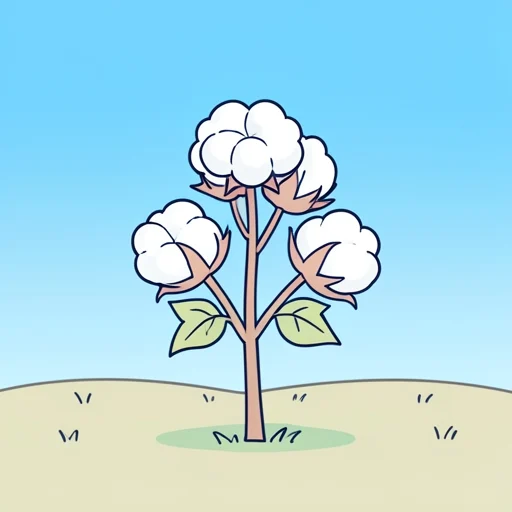
木綿 (momen) means cotton or cotton cloth used for everyday textiles; it refers to the natural fiber and the plain-woven fabric made from it, commonly employed for clothing, bedding and household linens as a practical, non-luxury material.
Main meanings
- 1) Plain or unbleached cotton cloth prized for durability and breathability in everyday garments.
- 2) Cotton batting or stuffing used as padding in futons, cushions, and quilts.
- 3) A general industry term for cotton fiber/material when contrasting natural fibers with silk or synthetics.
How to use it
Used in everyday speech and on product labels to denote cotton material for clothing, bedding and sewing supplies; the word is neutral and appears in both casual and formal contexts as well as in compound product names and fabric descriptions.
Variants and close terms
- 綿 (wata): cotton (fiber)
- 綿花 (menka): cotton plant / cotton boll
- 綿布 (menpu): cotton cloth
- 合成繊維 (gousei sen'i): synthetic fiber (antonym)
- 麻 (asa): hemp/linen (alternative natural fiber)
Composition
- 木 (ki): 'wood' or 'tree' character, here serving a phonetic/semantic role.
- 綿 (men / wata): 'cotton' or 'soft thread', with the textile radical indicating fabric.
- The two characters combine to give the word momen, referring specifically to cotton textile.
Origin
Cotton arrived in Japan from the Asian mainland in pre-modern times, but large-scale cultivation and domestic textile production expanded during the medieval and early modern periods; by the Edo era cotton fabrics were widely used in everyday clothing and household items, gradually replacing hemp and other fibers for common garments.
Word class
noun (名詞)