Word
申し訳ない
Meaning in Englishinexcusable, I am sorry
Animated kanji stroke order
Sentence
Related sentences
Related sentences
There are no published items in this section yet.
Word context
What it means
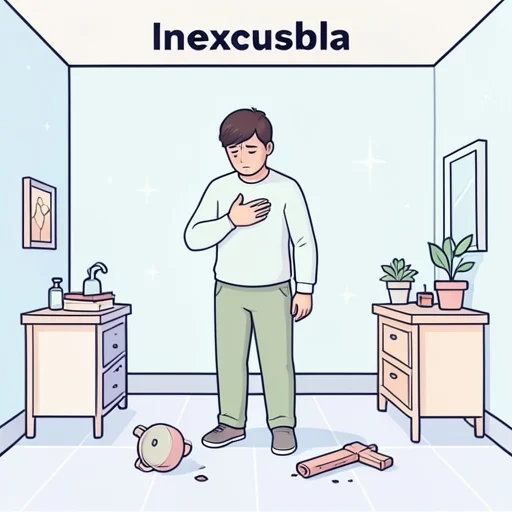
It means a sincere apology; used when you take responsibility and want to convey deep remorse, suitable in formal or serious contexts.
Main meanings
- Primary meaning: a strong apology expressing remorse and responsibility
- Nuance: implies there is no acceptable excuse or justification
- Usage: appropriate in formal settings, business communication, and sincere personal apologies; in casual speech, people may use simpler forms
How to use it
Used to apologize for causing trouble or taking responsibility; formal and polite contexts; frequently used in workplaces and service industries; may be followed by a request for forgiveness or leniency, or used alone as a strong regretful statement.
Variants and close terms
- すみません (sumimasen) — common, less formal
- ごめんなさい (gomen nasai) — softer, casual
- 申し訳ございます (moushiwake gozaimasu) — highly formal
- 申し訳ないです (moushiwake nai desu) — polite variant
Composition
- 申: to say; indicates speech or statement
- 訳: reason, explanation; the core concept of justification
- ない: negation; marks absence of an excuse or justification
Etymology
申 to say; 訳 reason or explanation; ない negation; together they form a phrase that literally signals no ground to justify one's actions, hence an apology.
Word class
expression (表現)
Word
Related words by kanji and components
N3
申し訳
moushiwake
apology, excuse, justification
N1
内訳
uchiwake
the items, breakdown, classification
N1
言い訳
iiwake
excuse, explanation
N1
申し入れる
moushiireru
to propose, to suggest
N1
申込
moushikomi
application, request, proposal
N1
申出
moushide
request, claim, report
N1
申し出る
moushideru
to report to, to tell, to suggest
N1
申し分
moushibun
objection, shortcomings
N2
申請
shinsei
application, request, petition
Kanji