Word
老人
Meaning in Englishelderly person, old person
Animated kanji stroke order
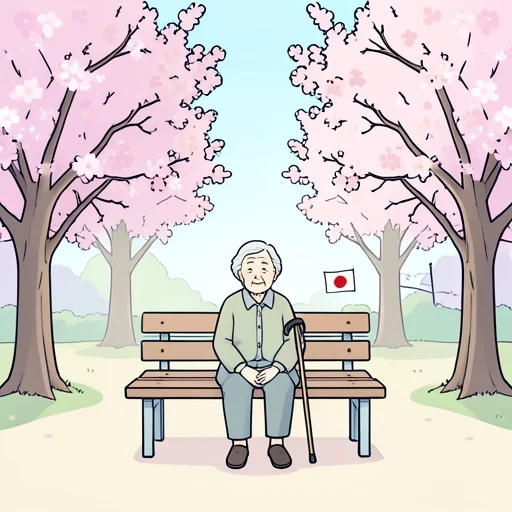
Sentence
Related sentences
Related sentences
There are no published items in this section yet.
Word context
What it means
What does 老人 mean? It designates an individual who is advanced in age, typically used to refer to older adults in neutral or formal contexts.
Main meanings
- Neutral descriptor for an aging individual or the elderly as a demographic group
- Can convey a clinical or policy-oriented tone in media and official contexts
- May carry blunt or outdated connotations in casual speech; alternatives exist such as 高齢者 and お年寄り
How to use it
Used in formal writing, media, government policy, and caregiving contexts to refer to an aging individual or population; in casual speech speakers may use more respectful or softer terms like お年寄り or 高齢者.
Variants and close terms
- 高齢者 (こうれいしゃ, kōreisha) — formal, policy-oriented term for elderly person
- お年寄り (おとしより, otoshiyori) — polite, affectionate term
- 年配者 (ねんぱいしゃ, nenpai-sha) — generic, respectful
- 若者 (わかもの, wakamono) — antonym: young person
Composition
- 老 means old, aged
- 人 means person
- The combination denotes a person who is old, i.e., an elderly individual
Origin
Historically, 老人 emerged in classical and early modern Japanese as a straightforward compound of the ideas 'old' and 'person', solidifying its use in literature and administrative discourse by the Edo period; over time, social policy and demographics made it a standard demographic label.
Word class
noun (名詞)
Word
Related words by kanji and components
Kanji