自動車
Meaning in Englishautomobile, car
Animated kanji stroke order
Related sentences
Related sentences
There are no published items in this section yet.
Word context
What it means
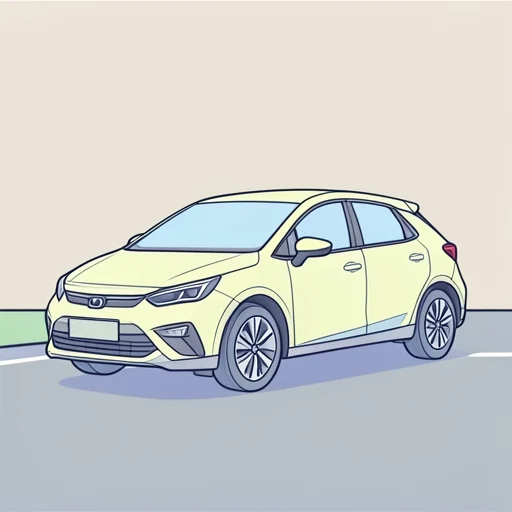
自動車 (jidousha) means an automobile: a motorized road vehicle designed to carry passengers or cargo under its own power. It refers to wheeled vehicles propelled by engines or electric motors (including passenger cars, trucks, buses and similar road vehicles), often classified by size, use, and regulatory categories in traffic law and everyday discussion.
Main meanings
- As a legal/administrative category used in registration, licensing and vehicle taxation distinct from bicycles or trailers.
- In technical contexts, a term covering multiple classes of motor vehicles (passenger cars, commercial trucks, buses) rather than only private cars.
- Used metonymically to refer to the automotive sector, e.g., industry, markets, or manufacturing when paired with other words.
- In compounds and set phrases to specify vehicle-related systems or services such as insurance, maintenance, and traffic rules.
How to use it
Common in formal, legal, and technical contexts—official documents, registration papers, traffic reports, insurance and manufacturer materials—while everyday conversation often shortens it to the casual 車 (kuruma). It appears in news coverage about traffic, policy, or industry and in compound terms referring to vehicle types, taxes, and services.
Variants and close terms
- 車 (kuruma): car, casual everyday term often used instead of 自動車.
- 自家用車 (jikayousha): private car, vehicle for personal use.
- 軽自動車 (keijidousha): kei car, a specific small-car category under Japanese regulations.
- 自動車工業 (jidousha kougyou): automotive industry, metonymic use.
- 自転車 (jitensha): bicycle, conceptual antonym (non-motorized two-wheeler).
Composition
- 自 (ji): self, automatic.
- 動 (dou): move, motion.
- 車 (sha): vehicle, cart.
- Together they convey the idea of a vehicle that moves by its own power—i.e., a motor vehicle.
Origin
The concept arrived with Western motor vehicles imported into Japan during the late 19th and early 20th centuries; domestic manufacturing grew in the Taisho–Showa periods with early Japanese models appearing in the 1930s and expanding postwar into a major industry, after which regulatory frameworks and common usage standardized the word for motor vehicles.
Word class
noun (名詞; compound noun/熟語)