表現
Meaning in Englishexpression, presentation
Animated kanji stroke order
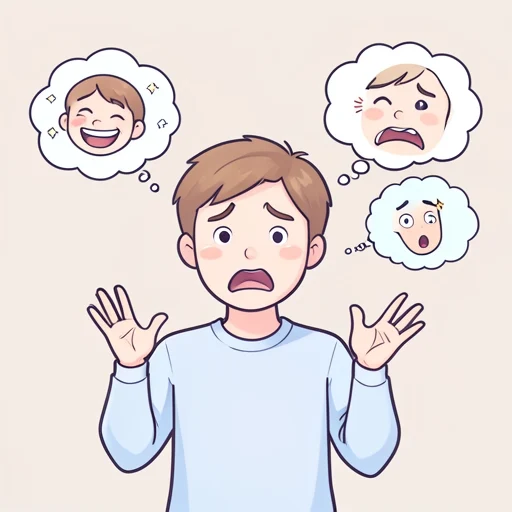
Related sentences
Word context
What it means
What does 表現 mean? It denotes the act or product of expressing thoughts, feelings, or ideas in language, art, or other media, and as a noun it refers to the manner or product of expressing oneself, including style, phrasing, and artistic rendering, across linguistic and artistic contexts.
Main meanings
- expression of thoughts, feelings, or ideas through speech, writing, or other forms of communication
- depiction or representation in art, literature, film, or media
- the quality or power of expression; expressiveness
- the act of presenting or revealing something outwardly; a visible manifestation
How to use it
Used in formal writing, academic discourse, media, and everyday speech to refer to the act or result of expressing ideas, feelings, or information; common compounds include 自己表現, 表現力, and 表現方法; contexts range from neutral descriptions to artistic or rhetorical aims.
Variants and close terms
- 描写 (byōsha) – depiction
- 表出 (hyōshutsu) – external manifestation
- 表示 (hyōji) – display, indication
- 体現 (taigen) – embodiment
- 述べる (noberu) – to state
Composition
- 表: surface, to express; outward appearance
- 現: present, actual, appearing; manifestation
Origin
Historically, 表現 appears in classical Japanese texts as the act of presenting or expressing ideas; its modern sense broadened during the Meiji period to cover language, art, and media expression.
Word class
Noun (名詞)