遊び
Meaning in Englishplay, fun, amusement
Animated kanji stroke order
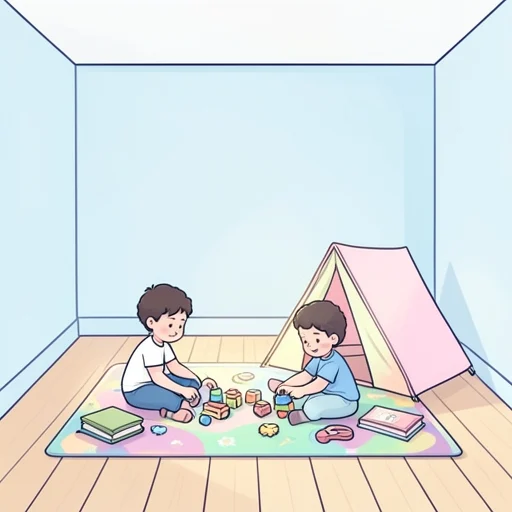
Related sentences
Word context
What it means
遊び means the act or state of playing; it denotes leisure activities, recreation, and amusement, covering both children's play and general pastime.
Main meanings
- Play as an activity for enjoyment and recreation
- A pastime or leisure activity in daily life
- Games and playful activities, especially among children
- Figurative sense: 遊び心, playfulness or a lighthearted attitude
How to use it
Used in casual and neutral contexts to refer to leisure activities, games, and pastimes; common compounds include 遊び場 (playground), 遊び心 (playfulness), and sentences use 遊ぶ for the verb form; in formal writing, more specialized terms like 娯楽 may appear for entertainment.
Variants and close terms
- 遊戯 (ゆうぎ) — game, play
- 娯楽 (ごらく) — amusement, entertainment
- 余暇 (よか) — leisure time
- 遊び心 (あそびごころ) — playfulness
Composition
- 遊: to play, to roam
- び: nominalizing suffix turning the verb root into the noun representing the activity
Etymology
遊 carries the sense of play or roam; the reading asobu is the kun'yomi, and the noun 遊び is formed by attaching the nominalizing element bi to the verb root, yielding the concept of the activity of playing.
Origin
Historically, the concept of play has long existed in Japanese society, with 遊び entering everyday language to denote leisure, games, and pastimes in classical and modern usage.
Word class
noun (名詞) — derived from the verb 遊ぶ; denotes the act of playing or a leisure activity