風俗
Meaning in Englishmanners, customs; sex industry
Animated kanji stroke order
Related sentences
Related sentences
There are no published items in this section yet.
Word context
What it means
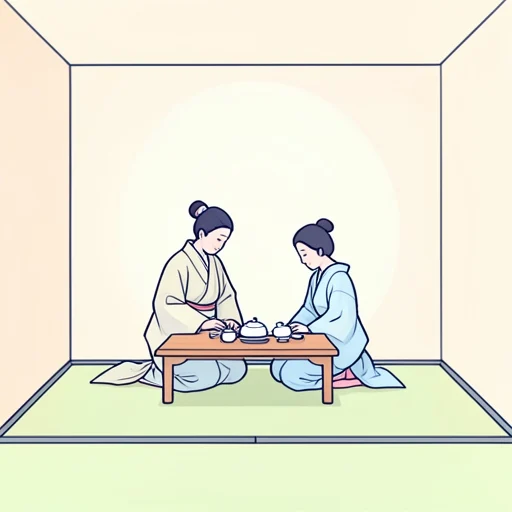
風俗 means customs and social norms that shape how people behave in a society. It captures the shared practices, etiquette, and cultural expectations that prevail in daily life, forming the texture of a community’s public and private conduct.
Main meanings
- the cultural patterns and everyday behaviors that a society recognizes and follows
- the adult entertainment sector, especially in casual or media contexts
How to use it
Used in formal, academic, and journalistic contexts to discuss social norms and cultural practices; in everyday speech it can refer to the sex industry, often appearing in compounds like 風俗店 or 風俗業 to denote entertainment services; awareness of context affects formality and meaning
Variants and close terms
- 風習 ふうしゅう — customs, traditions
- 社会慣習 しゃかいかんしゅう — societal conventions
- 風俗業 ふうぞくぎょう — sex industry
Composition
- 風: wind, air current; in compounds it signals a mood, trend, or prevailing atmosphere
- 俗: common, popular, customary; denotes ordinary people or general practices
Etymology
風 conveys a sense of prevailing current or atmosphere, 俗 denotes common custom or the ordinary world; together they yield a Sino-Japanese compound read fūzoku, formed through historical Chinese-Japanese linguistic exchange
Origin
The term entered Japanese via Chinese kanji, with early attestations describing prevailing customs; in Edo and later periods it hardened into a general reference to social norms, and in modern usage expanded to include the regulated entertainment sector; the pronunciation remains on’yomi
Word class
noun (名詞)