並べる
Meaning in Englishline up, arrange side by side
Animated kanji stroke order
Related sentences
Related sentences
There are no published items in this section yet.
Word context
What it means
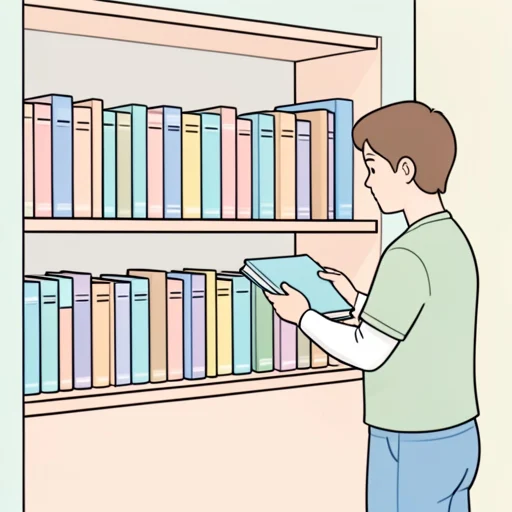
What does 並べる mean? It means to place items in a line or order, organizing them by sequence or alignment so they can be viewed or analyzed together.
Main meanings
- to place items side by side in a row or column
- to arrange in a specific order or layout, often for display
- to juxtapose ideas, data, or elements for comparison
How to use it
Used across speaking and writing, in casual to formal registers. It takes a direct object (を) for physical items, and is common in contexts like arranging products, lining up people, or organizing data; typical phrases include 商品を棚に並べる, 人を並べる, 表に項目を並べる.
Variants and close terms
- 整列する (seiretsu suru) — to line up in neat order
- 並べ替える (narabekaeru) — to reorder or sort
- 並ぶ (narabu) — to line up (intransitive)
- 散らす (chirau) — to scatter (antonym)
Composition
- 並: to line up; to arrange; to compare; to equalize
- べる: verb-ending that marks a transitive action, turning the idea into 'to cause to be arranged'
Etymology
naraberu is formed by attaching the transitive suffix -eru to the stem of 並, turning the intransitive sense into a transitive verb; the pronunciation preserves the narabe- cluster before the final -ru in modern Japanese phonology.
Word class
verb (ru-verb, ichidan)