任す
Meaning in Englishto entrust, to leave to a person
Animated kanji stroke order
Related sentences
Related sentences
There are no published items in this section yet.
Word context
What it means
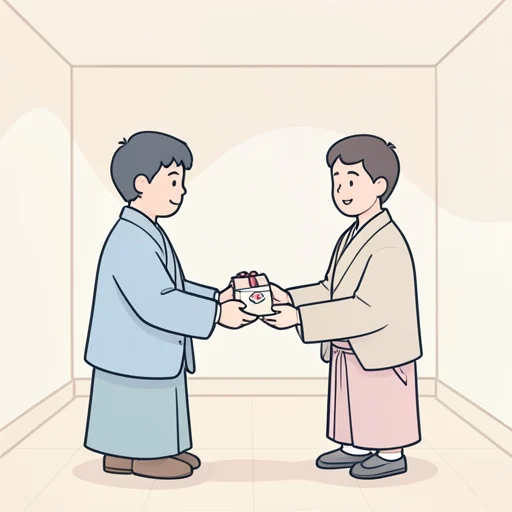
任す means to entrust or leave something to someone else; it conveys handing over responsibility or decision-making to another person, often in formal or literary contexts, and is closely related to 任せる though more archaic or succinct.
Main meanings
- To entrust a person with responsibility or a task, thereby delegating control or decision-making.
- To leave something to another's care or discretion, typically in formal usage.
- In fixed idioms, to surrender or defer to fate or a higher power, as in 天に任す.
How to use it
Usage: Typically attaches to particles like に or を to mark the entrusted object and recipient; common in formal or literary prose and in historical or philosophical discourse, with limited use in everyday conversation where 任せる is preferred.
Variants and close terms
- 任せる (makaseru) — more common, to entrust; informal to formal range
- 委ねる (yudaneru) — to entrust or defer to someone’s discretion
- 託す (takusu) — to entrust, consign, or entrust with belongings
Composition
- 任: conveys responsibility or duty, serving as the semantic core of entrusting
- す: verb-ending that turns the concept into a verb meaning 'to do' or 'to perform' in the sense of carrying out entrustment
Etymology
makasu derives from the kun-reading of 任 combined with the verb ending す; it is a native Japanese development rather than a loanword, reflecting the concept of entrusting within traditional verb formation.
Origin
Origin: Found in classical Japanese texts and maintained in literary and legal registers; usage persists in fixed phrases and formal writing, though rarer in casual speech.
Word class
verb (動詞・五段), godan verb with the す ending