伴う
Meaning in Englishto accompany, to bring with
Animated kanji stroke order
Related sentences
Related sentences
There are no published items in this section yet.
Word context
What it means
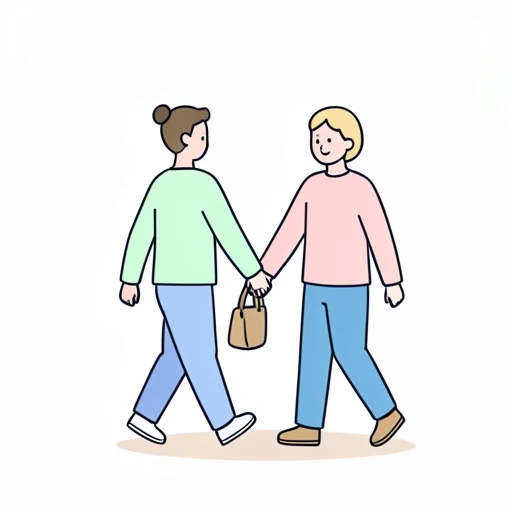
What does 伴う mean? It means to accompany or go with someone or something, and to involve or entail a circumstance or consequence; used when an action or situation occurs together with another thing, sometimes indicating accompanying people, events, or conditions.
Main meanings
- physical accompaniment: the act of being with or bringing along a person or object
- inclusion or consequence: something that comes along with another, such as risks or responsibilities
- coexistence with a condition or event: describes features or phenomena that occur together
How to use it
Used with nouns to indicate something comes with another thing; in everyday speech it attaches to nouns with を/が to indicate what accompanies; in formal writing it often appears in technical, legal, or descriptive contexts such as weather, risk, or responsibilities. For example: 日常会話では友人を伴って来る, 仕事で責任を伴う, 雨を伴う天候.
Variants and close terms
- 同伴する (どうはんする) — physical accompaniment
- 付き添う (つきそう) — accompany for support
- 付随する (ふずいする) — be incidental or attached
- 伴随する (はんずいする) — attend; more formal
Composition
- 伴: to accompany, presence; core sense of companionship
- う: verb suffix turning it into a verb; marks the action
Etymology
etymology The term combines the kanji 伴 meaning companion with the verb-ending う, forming a native kun'yomi verb; the contemporary spelling reflects centuries of orthographic standardization in modern Japanese.
Word class
verb (五段動詞)