Word
住民
Meaning in Englishresidents, inhabitants
Animated kanji stroke order
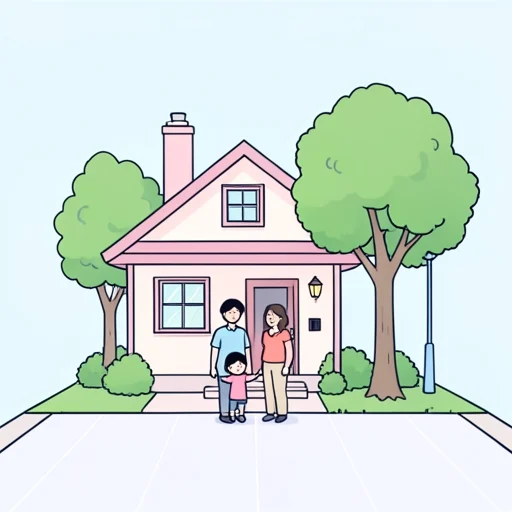
Sentence
Related sentences
Related sentences
There are no published items in this section yet.
Word context
What it means
What does 住民 mean? It designates a person who lives in a particular area or municipality; more broadly, people who belong to a locality or community.
Main meanings
- Local resident or inhabitant of a defined area such as a city, town, ward, or region, emphasizing place-based belonging.
- In demographic or statistical contexts, the term refers to the population registered as residents of a locality, used in census, planning, and governance.
- In legal or administrative contexts, it can denote people whose address is registered in the locality, often seen in terms like resident registration and electoral matters.
How to use it
Used in formal and everyday Japanese to refer to people living in a given area; contexts include government reports, demographic data, local news, and community meetings; common collocations include 町の住民, 地域の住民, 住民票, 住民基本台帳.
Variants and close terms
- 住人 (じゅうにん, juunin) – more casual, close synonym with similar sense
- 居住者 (きょじゅうしゃ, kyojuusha) – formal/administrative synonym
- 市民 (しみん, shimin) – citizen, broader social role
- 在住者 (ざいじゅうしゃ, zaijuusha) – resident currently residing in a place
Composition
- 住: reside, live; acts as the core semantic beam indicating the act of living in a place
- 民: people, the populace; communicates the group of individuals involved
Word class
noun (名詞)
Word
Related words by kanji and components
N2
衣食住
ishokujuu
food, clothing and shelter
N2
住居
juukyo
dwelling, house, residence, address
N2
住まい
sumai
dwelling, house
N2
民間
minkan
private, civilian
N2
民主~
minshu~
democratic
N2
民謡
minyou
folk song, popular song
N3
住宅
juutaku
housing, residence, dwelling
N3
国民
kokumin
citizen, people, nation
N3
農民
noumin
farmers, peasants
Kanji