別に
Meaning in English(not) particularly, nothing
Animated kanji stroke order
Related sentences
Related sentences
There are no published items in this section yet.
Word context
What it means
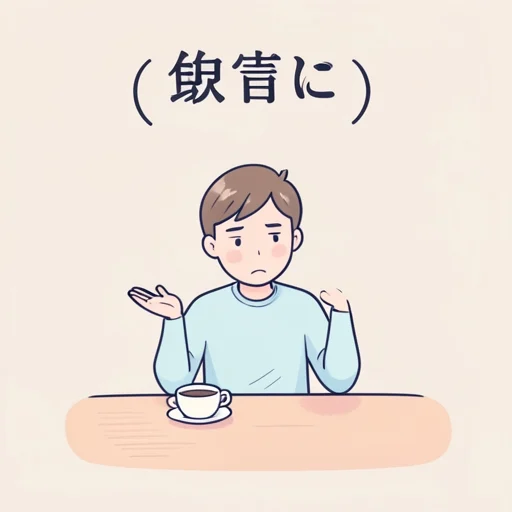
別に means 'not particularly' or 'it's nothing special' in casual Japanese. It is used to downplay a question, request, or expectation, functioning as an adverb that softens statements and often leaves the rest implied or negated.
Main meanings
- Not particularly; not especially, used to downplay significance before adjectives, verbs, or in responses
- It's nothing in particular; a casual stance indicating indifference
- As a sentence element to preface a negation (e.g., 別に〜ない)
How to use it
Used mainly in informal spoken Japanese to express indifference or to soften a statement. It commonly appears as a standalone reply or before a predicate in the pattern 別に〜ない; it can appear with です/だ in casual contexts but remains less formal in tone. It is versatile for answering questions, declining favors, or downplaying expectations without a strong stance.
Variants and close terms
- 特に (とくに) — not as strong; tokuni
- さほど (さほど) — not so much; sahodo
- 別に~ない — generic pattern where something is not the case; betsuni nai
Composition
- 別 = separation or difference, acting as the semantic base; に = particle marking direction or reference; together they yield an adverbial sense meaning 'in a separate/other context' that has evolved to indicate indifference or lack of emphasis
Etymology
別 (betsu) means separate or other, and に marks a directional/grammatical relation; combined, they form an adverbial modifier that historically shifted toward meaning 'in a separate way' and by extension 'not especially' in modern usage.
Word class
adverb (副詞)