及ぶ
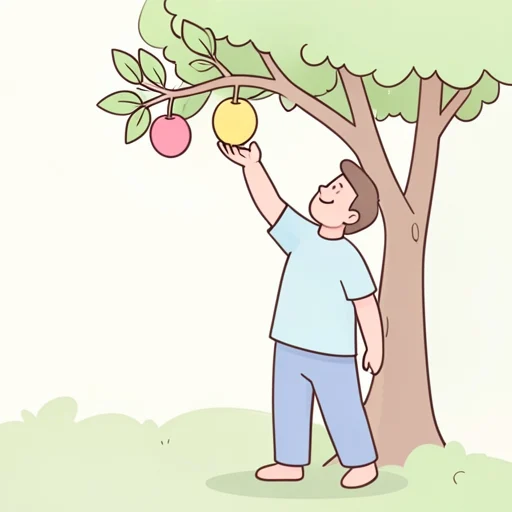
Meaning in Englishto reach, to extend
Animated kanji stroke order
Related sentences
Related sentences
There are no published items in this section yet.
Word context
What it means
What does 及ぶ mean? It denotes the action of reaching or extending to a boundary, limit, or scope, and by extension the effect or involvement of something within that reach. It is used with particles such as に and まで to mark the extent, and is common in formal, written, or analytic contexts to describe the breadth of influence, coverage, or applicability.
Main meanings
- 範囲に及ぶ (han'i ni oyobu) to reach into a range or scope
- 影響が及ぶ (eikyō ga oyobu) to have an influence or effect
- 金額に及ぶ (kingaku ni oyobu) to amount to a sum
How to use it
Used in formal or written contexts to express extent, scope, and reach; often paired with に or まで to mark boundaries; less common in casual speech; for concrete actions or everyday talk, other verbs such as to reach or reach up to are often preferred.
Variants and close terms
- 到達する (toutatsu suru) – to reach, more concrete
- 広がる (hirogaru) – to extend or spread
- 関連語: 及ぼす (oyobosu) – to exert, cause
- 金額・範囲に及ぶ generally expresses extent; 及ばない (oyobanai) – not reach
Composition
及 stands for the idea of reaching or touching; when used as a verb with ぶ, the meaning becomes to extend to a boundary or scope.
Etymology
kun'yomi and kanji-origin The word 及ぶ is a native Japanese verb formed from the kanji 及, with the kun reading oyobu; the pronunciation has remained stable since classical Japanese, reflecting the core sense of reaching or touching.
Origin
Old Japanese usage in classical literature and administrative texts, with the sense of extending to a boundary or scope; the concept appears across Heian and later periods in formal language.
Word class
verb (動詞), godan (五段動詞)