Word
古い
Meaning in Englishold
Animated kanji stroke order
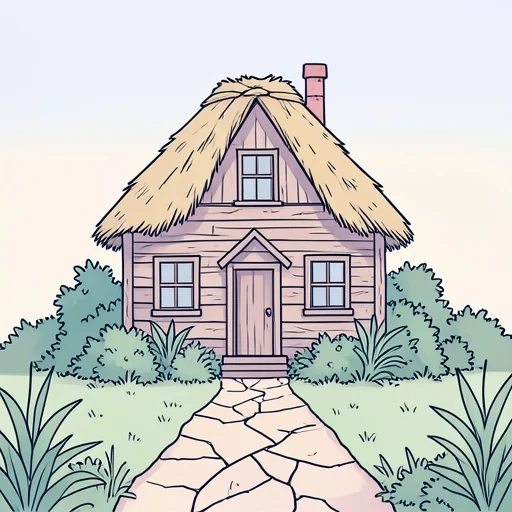
Sentence
Related sentences
Word context
What it means
古い (furui) means old; it describes something that has existed for a long time or is no longer new, signaling age, wear, or obsolescence, and it functions as an i-adjective that can modify a noun or serve as a predicate in sentences.
Main meanings
- describes the age or condition of non-living things, places, and concepts (e.g., objects or ideas that are not new)
- can imply obsolescence or being out of date, with a neutral to negative nuance depending on context
- usually contrasted with 新しい (atarashii) to express old vs new
- not commonly used for describing people; use 年を取った (toshi o totta) or 老いた (oita) for people
How to use it
Used in casual and formal speech to describe the age or condition of things; before nouns to attribute age; as predicate with です; conjugates to 古くない in negation and to 古かった in the past; the te-form 古くて links to subsequent clauses, and common phrases include 古い本 and 古い建物.
Variants and close terms
- 古風な (こふうな) — kofū na, old-fashioned
- 新しい (あたらしい) — atarashii, new
- 古代の (こだいの) — kodai no, ancient
Composition
- 古 = old, ancient; when combined with the i-adjective ending い, it forms 古い, meaning old or aged
Word class
adjective (i-adjective) (い形容詞)
Word
Related words by kanji and components
Kanji