Word
失敗
Meaning in Englishfailure, mistake
Animated kanji stroke order
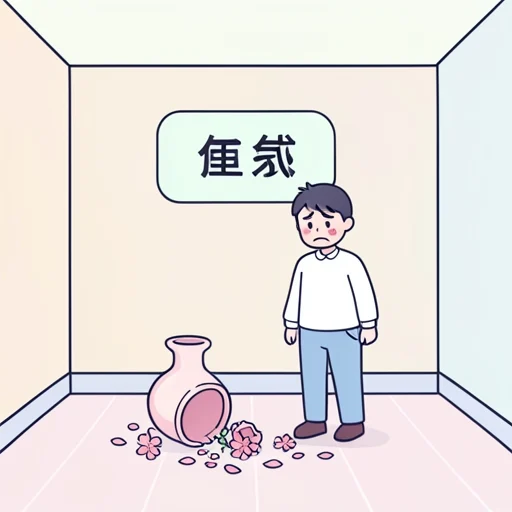
Sentence
Related sentences
Word context
What it means
What does 失敗 mean? It denotes the outcome of not achieving a desired result and the experience of not meeting a goal, applicable to plans, experiments, or actions across contexts.
Main meanings
- Primary meaning: the state of not achieving a desired outcome in an action, plan, or attempt
- Nuance: can imply a simple error or misjudgment rather than moral fault
- Usage: commonly paired with する to form 失敗する, used in formal writing and everyday speech
How to use it
Used as a noun for failure and as the base for the verb 失敗する; suitable in formal reports, academic writing, and casual conversation; often paired with adjectives like 大きな or 小さな to describe scale.
Variants and close terms
- 過ち (ayamachi) — error
- ミス (misu) — mistake
- 失策 (shissaku) — blunder
- 成功 (seikou) — antonym: success
- 勝利 (shouri) — antonym: victory
Composition
- 失: to lose, miss; evokes the sense of loss
- 敗: defeat, collapse; conveys being beaten
Etymology
失 (shi, to lose) and 敗 (hai, defeat) combine as a Sino-Japanese compound read as shippai in modern usage.
Origin
Origins lie in classical to modern Japanese, with the compound entering common usage to denote failure or defeat in attempts, decisions, or actions.
Word class
noun; suru-verb (日本語: 名詞, サ変動詞)
Word
Related words by kanji and components
N1
敗戦
haisen
defeat, losing a war
N1
敗北
haiboku
defeat (as a verb it means 'to be defeated')
N1
損失
sonshitsu
loss
N1
失格
shikkaku
disqualification, elimination, incapacity (legal)
N1
失脚
shikkyaku
losing one's standing, being overthrown, falling
N1
失調
shicchou
lack of harmony, imbalance
N1
腐敗
fuhai
decay, depravity
N1
紛失
funshitsu
losing something
N2
過失
kashitsu
error, mistake, negligence
Kanji