実力
Meaning in Englishreal ability, true strength
Animated kanji stroke order
Related sentences
Related sentences
There are no published items in this section yet.
Word context
What it means
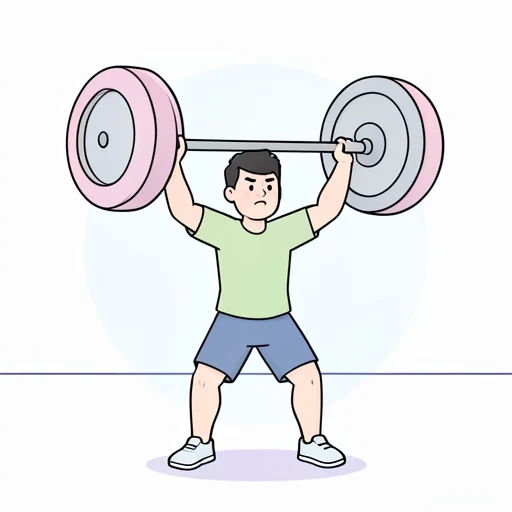
What does 実力 mean? 実力 denotes the level of actual ability or power a person or thing demonstrates, beyond potential or reputation, referring to the concrete skills, performance, and strength one can reliably show in tasks, tests, or competitions.
Main meanings
- Actual skill level in a given field, especially when performance is compared to expectations or others
- Demonstrated performance under challenging conditions, such as tests or competitions
- Merit or standing based on verifiable ability, rather than fame or promise
- In sports and competition, the capacity to exert power or demonstrate superiority
How to use it
Used as a noun to denote actual ability; in formal contexts like exams, workplaces, and sports commentary, 実力 emphasizes demonstrable skill. In casual speech you might say 実力がある or 実力を出す; common collocations include 実力を発揮する, 実力テスト, 実力差.
Variants and close terms
- 能力 (のうりょく) — ability, capacity
- 技量 (ぎりょう) — technical skill and competence
- 力量 (りきりょう) — strength, capacity
- 実力差 (じつりょくさ) — gap in ability
Composition
- 実: real, true, actual
- 力: power, strength, effort
Etymology
じつりょく is the standard on'yomi reading formed from 実 and 力, with 実 meaning real or true and 力 meaning power or strength; the compound conveys the sense of real, demonstrable power.
Origin
From Sino-Japanese borrowing of kanji compounds, 実力 was adopted into Japanese and became common in modern contexts such as education, sports, and business to denote tangible ability.
Word class
noun (名詞)