弟
Meaning in Englishyounger brother
Animated kanji stroke order
Related sentences
Word context
What it means
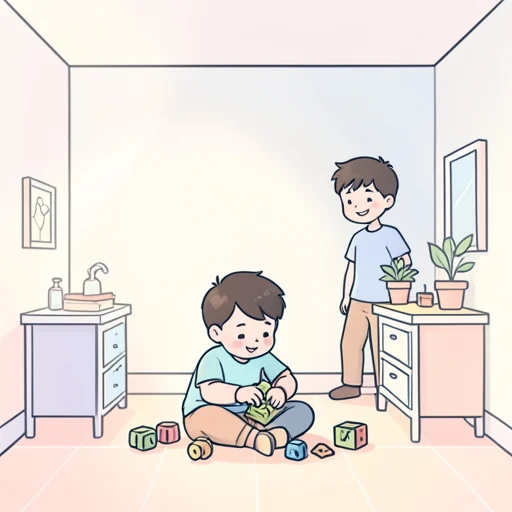
弟 (otouto) means a younger brother; it denotes a male sibling who is younger than the speaker or the person being referred to and functions as a basic kinship term used to identify family relation in everyday Japanese speech and writing.
Main meanings
- 1. Used affectionately or familiarly to refer to a younger male close to the speaker who is not necessarily a blood relative (figurative 'little brother').
- 2. Appears in compound words and set expressions to indicate a junior, apprentice, or subordinate role rather than strictly a familial relationship.
- 3. Can carry an informal, intimate tone when referencing younger males within social groups, clubs, or teams.
How to use it
Commonly used when talking about one's own or someone else's younger brother in conversation and writing; speakers typically use the plain form to refer to their own sibling when speaking to others and use the polite form when referring to another person's family member; appears in both casual speech among friends and in neutral written contexts, while honorific or humble language may modify it in formal situations.
Variants and close terms
- 弟さん (otouto-san) — polite form used when speaking about someone else's younger brother
- 弟分 (otoutobun) — figurative 'little brother' or protégé within a social group
- 兄 (ani) — older brother (antonym)
- 妹 (imouto) — younger sister (related kin term)
Composition
The single kanji 弟 (otouto) is written as one character that historically combines graphic elements conveying smallness and subordination to express the concept of a younger male sibling; in modern reading it stands alone as the lexical unit for 'younger brother' rather than a compound of independent kanji.
Origin
Kinship terminology differentiating older and younger siblings has long been integral to Japanese social organization; terms like 弟 (otouto) appear in classical Japanese records and reflect Confucian-influenced family hierarchies that emphasized precise relational vocabulary for household roles and filial order.
Word class
noun (名詞)