Word
憂鬱
Meaning in Englishdepression, melancholy
Animated kanji stroke order
Sentence
Related sentences
Related sentences
There are no published items in this section yet.
Word context
What it means
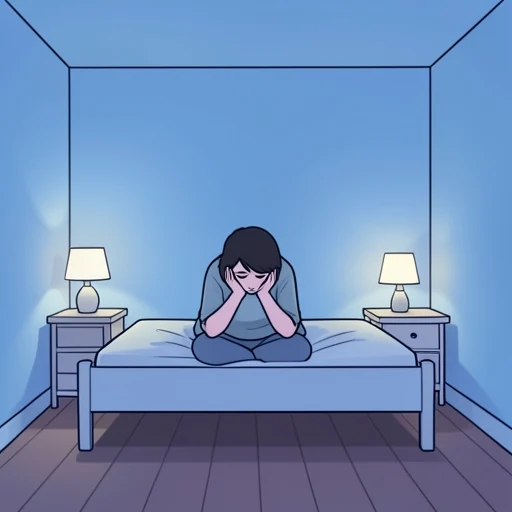
憂鬱 denotes a deep, persistent feeling of sadness or gloom that colors a person’s mood; it describes a mood state rather than a transient emotion and is common in both everyday speech and literary contexts.
Main meanings
- Melancholy or subdued mood that colors daily life
- Gloom or heaviness of mood, not necessarily clinical
- Literary or descriptive use to convey somber atmosphere
How to use it
Used as a noun and in compound phrases; in daily speech one can say 憂鬱だ or 憂鬱な気分; more formal or literary contexts; in clinical discussions, it's used as a non-technical term for feeling depressed; typical examples: 憂鬱になる, 憂鬱な天気; used with adjectives to convey mood.
Variants and close terms
- 陰鬱 (いんうつ) (in'utsu) — gloominess
- 憂い (うれい) (urei) — sorrow, wistfulness
- 鬱々 (うつうつ) (utsuutsu) — gloomily, in a state of dull heaviness
- 落ち込む/落ち込み (おちこむ) — to feel down
- 陰気 (いんき) (inki) — murkiness, gloom
Composition
- 憂: worry, concern; on'yomi ユウ; kun'yomi うれえる
- 鬱: gloom, heaviness; on'yomi ウツ; kun'yomi うつ
- 結合: together they express inward worry and gloom, yielding a mood of melancholy
Etymology
憂 (ゆう, yū) expresses worry or concern; 鬱 (うつ, utsu) conveys heaviness or gloom; together they yield the word read as yūutsu (yūutsu), representing inward sorrow.
Word class
noun (na-adjective)
Kanji