振り仮名
Meaning in Englishpronunciation key
Animated kanji stroke order
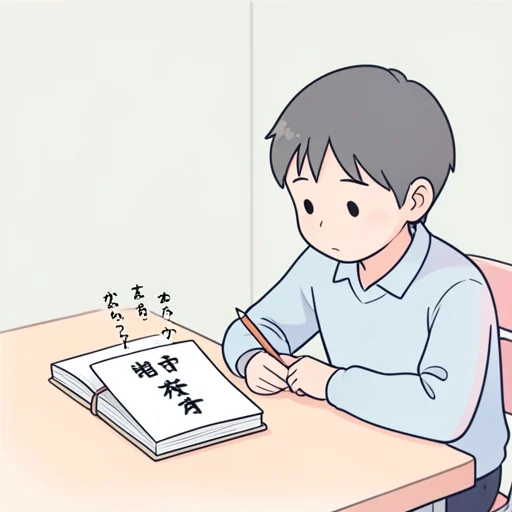
Related sentences
Related sentences
There are no published items in this section yet.
Word context
What it means
振り仮名 (furigana) means small kana characters written next to or above kanji to provide a phonetic reading; they function as a reading aid for learners, children, names, or uncommon characters and help readers pronounce or parse written text.
Main meanings
- 1. Ruby in typography: the typographic term for small annotation text used in print and web layout to show pronunciation.
- 2. Name readings: a device to indicate nonstandard or preferred readings for proper names and place names.
- 3. Stylistic device: used in fiction, manga, and advertising to show alternate meanings, puns, or intended nuance separate from the kanji’s literal meaning.
- 4. Disambiguation: marks dialectal, historical, or phonetic variants when multiple pronunciations exist for the same kanji.
How to use it
Commonly found in children’s books, beginner textbooks, dictionaries, official forms to show name readings, manga and light novels for stylistic effects, and digital/printed signage; usage ranges from informal (children’s media, manga) to formal (legal name readings on forms), with placement and size conventions differing between vertical and horizontal text.
Variants and close terms
- ルビ (rubi) — typographic loanword meaning 'ruby text' used for small pronunciation annotations.
- 読み仮名 (yomigana) — synonym meaning 'reading kana' used interchangeably in some contexts.
- 送り仮名 (okurigana) — contrasting term for kana that follow kanji to show inflection rather than primary pronunciation.
Composition
- 振 (furi / furu): originally 'to shake' or 'to assign' and here suggests 'assigning' a reading.
- り (ri): kana okurigana attached to the verb-derived element.
- 仮 (kari / ka): 'temporary' or 'provisional', implying a supplied or auxiliary element.
- 名 (na / mei): 'name' or 'term', indicating the label given to the kanji’s pronunciation; together the characters convey the idea of a provisionally assigned reading.
Origin
The practice of annotating Chinese characters with kana emerged as kana developed in the Heian period; over centuries annotation practices were used by scholars and readers, with printing and modern typesetting in the Edo–Meiji transition standardizing small kana annotations into the contemporary form recognized today.
Word class
noun (名詞)