暮らし
Meaning in Englishliving, lifestyle, livelihood
Animated kanji stroke order
Related sentences
Related sentences
There are no published items in this section yet.
Word context
What it means
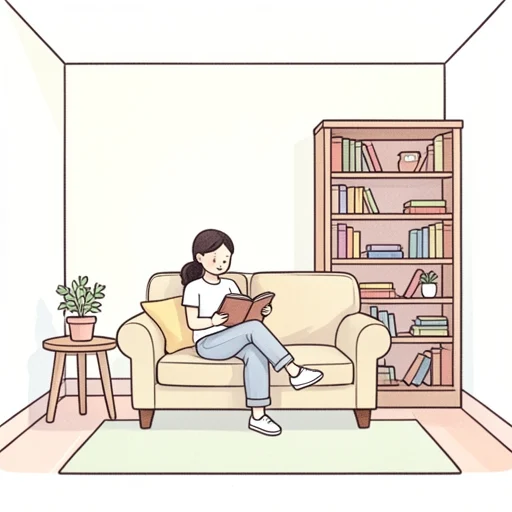
暮らし means the daily life and the state of living of a person or community, encompassing routines, home life, and the overall lifestyle or living conditions that define how people inhabit their days.
Main meanings
- day-to-day living and routines that shape a person or group's life
- living conditions and the environment in which someone lives
- lifestyle or way of living, including habits, values, and preferences
- domestic or household life, family life, and daily management of a home
- discussion of quality of life, social conditions, and welfare related to living standards
How to use it
Used in formal and casual speech to refer to the way people live, their daily routines, housing, and lifestyle. In formal writing it appears in essays, reports, and policy discussions about quality of life; in everyday speech it denotes one’s ordinary life and living situation.
Variants and close terms
- 生活 seikatsu (生活) – daily life, living; romaji seikatsu
- 日常 nichijō (日常) – everyday life; romaji nichijō
- 生活様式 seikatsuyōshiki (生活様式) – lifestyle or mode of living; romaji seikatsuyōshiki
Composition
- 暮: to live, spend time; evokes daily life, dusk and the idea of spending one’s days
Etymology
暮 has kun'yomi くら, くれ; the verb 暮らす is formed by adding らす to the stem, giving the common reading くらす; 暮らし is the noun form derived from that verb, indicating the state or act of living.
Origin
Historically the noun described domestic and daily life in classical Japanese, with modern usage broadening to include lifestyle and living standards across urban and rural contexts.
Word class
noun (名詞)