梅
Meaning in EnglishJapanese plum, ume
Animated kanji stroke order
Related sentences
Related sentences
There are no published items in this section yet.
Word context
What it means
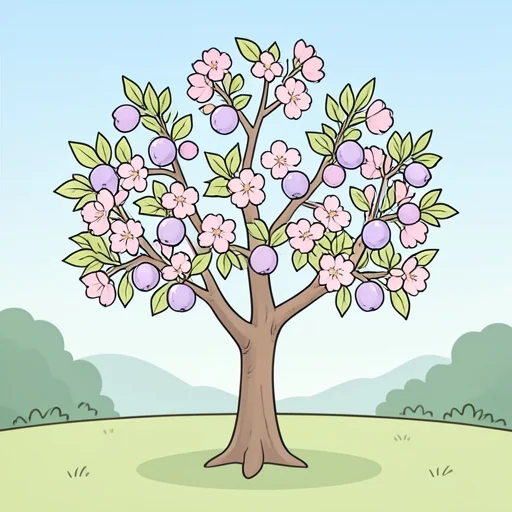
梅 (ume) means the Japanese plum: the tree species Prunus mume and its fruit, commonly used to refer to the plant in botanical, culinary, and everyday contexts.
Main meanings
- 1. The plum blossom as a seasonal motif and poetic subject in literature and art.
- 2. A shorthand element in culinary terms to denote plum-based foods or flavors.
- 3. A symbolic term for resilience, renewal, and early spring in cultural expressions.
- 4. A component in personal names, place names, and product names.
How to use it
Used across contexts: culinary (as the base for pickled plums, condiments, and liqueurs), literary and artistic references as a seasonal kigo for early spring, ornamental gardening and public festivals when blossoms appear, and in personal/place names; it appears in both casual conversation and formal cultural discourse depending on context.
Variants and close terms
- 梅干し (うめぼし, umeboshi) — pickled plum
- 梅酒 (うめしゅ, umeshu) — plum liqueur
- 梅花 (ばいか, baika) — plum blossom (literary/Chinese-derived term)
- 李 (すもも, sumomo) — a related plum species (different common name)
Composition
The character 梅 (ume) combines the semantic radical 木 (ki) meaning "tree/wood" on the left with a phonetic component based on 毎 (mai) on the right; the left element signals a plant/tree category while the right supplies the historical phonetic value that yields the reading ume.
Origin
Cultivated in East Asia and introduced to Japan from the continent, 梅 (ume) became established in Japanese gardens and poetry by the Heian period; over centuries it acquired culinary, medicinal, and symbolic roles, appearing in classical literature, religious rituals, and seasonal festivals.
Word class
noun (名詞)