Word
止まる
Meaning in Englishto come to a halt
Animated kanji stroke order
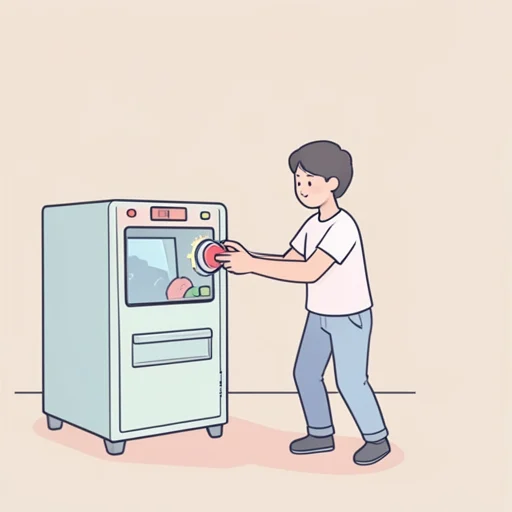
Sentence
Related sentences
Word context
What it means
止まる means to come to a stop or to stop moving or operating; it is intransitive, describing that the subject itself ceases motion or operation rather than causing something else to stop.
Main meanings
- to stop moving or to come to rest, for people, vehicles, or machinery
- to stop functioning or to cease operation, as a device or system
- to pause briefly or come to a halt during an activity
- to stop time metaphorically or in expressions describing a momentary standstill
- to come to a standstill in a process or progression
How to use it
Used in intransitive contexts to describe ceasing motion, stopping of devices or natural phenomena, and pauses in ongoing actions; suitable for both casual conversation and formal prose; pattern involves a subject marker followed by 止まる to indicate cessation.
Variants and close terms
- 停止する (teishi suru) — to stop, halt
- 中断する (chuudan suru) — to interrupt or suspend
- 止める (tomeru) — to stop something actively (transitive)
- 動く (ugoku) — opposite: to move
Composition
- 止: stop, halt
- まる: intransitive verb ending
Etymology
止 meaning to stop; まる as a native intransitive verb ending; together they form a basic verb meaning stop
Word class
verb (自動詞, intransitive)
Word
Related words by kanji and components
N1
廃止
haishi
abolition, repeal
N1
受け止める
uketomeru
to catch, to react to, to take
N1
静止
seishi
stillness, repose, standing still
N1
阻止
soshi
obstruction, check, hindrance
N1
呼び止める
yobitomeru
to flag down
N2
立ち止まる
tachidomaru
to stop, to halt, to stand still
N2
引き止める
hikitomeru
to keep back, to prevent, to hold back
N2
防止
boushi
prevention, check
N3
禁止
kinshi
prohibition, ban
Kanji