Word
気障
Meaning in Englishaffectation, conceit, snobbery
Animated kanji stroke order
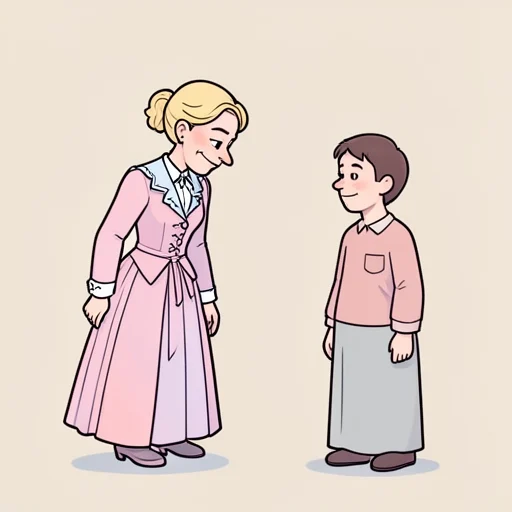
Sentence
Related sentences
Related sentences
There are no published items in this section yet.
Word context
What it means
What does 気障 mean? It denotes pretentious, showy, or artificial behavior intended to impress others, often perceived as insincere or affected by someone trying too hard to seem refined.
Main meanings
- Primary meaning: ostentatious display or manner intended to signal status or refinement.
- Connotation and usage: pejorative; describes speech, gestures, or outfits that feel contrived rather than natural.
- Grammatical use: can describe a person (気障な人) or behavior, sometimes in literary or media contexts.
How to use it
Used in casual and semi-formal speech to label individuals or actions; typically negative, applied to speech, posture, clothes, or behavior that comes across as artificial; often found in conversations, opinion pieces, reviews, and social media commentary.
Variants and close terms
- 見栄を張る (mie o haru) — to show off; romaji mie o haru
- 派手 (hade) — flashy; romaji hade
- 仰々しい (gyougyoushii) — pompous; romaji gyougyoushii
- 地味 (jimi) — plain, not showy; romaji jimi
Composition
- 気 — energy, mood, spirit; here relates to one's demeanor and impression
- 障 — obstacle, barrier; conveys blocking or hindering sincerity from coming through
- Combined meaning: a deliberate display that creates a barrier to natural expression, yielding a showy or artificial impression
Word class
na-adjective (な-adjective)
Word
Related words by kanji and components
N1
根気
konki
patience; perseverance, energy
N1
寒気
samuke
chill, shiver, cold
N1
障る
sawaru
to hinder, to interfere with, to affect
N1
何気ない
nanigenai
casual, unconcerned
N1
一気
ikki
at one push, in one gulp
N1
陰気
inki
gloom, melancholy
N1
浮気
uwaki
affair, to cheat
N1
気兼ね
kigane
hesitance, diffidence, feeling constraint
N1
気軽
kigaru
cheerful, buoyant, lighthearted
Kanji