直す
Meaning in Englishfix, correct, repair
Animated kanji stroke order
Related sentences
Related sentences
There are no published items in this section yet.
Word context
What it means
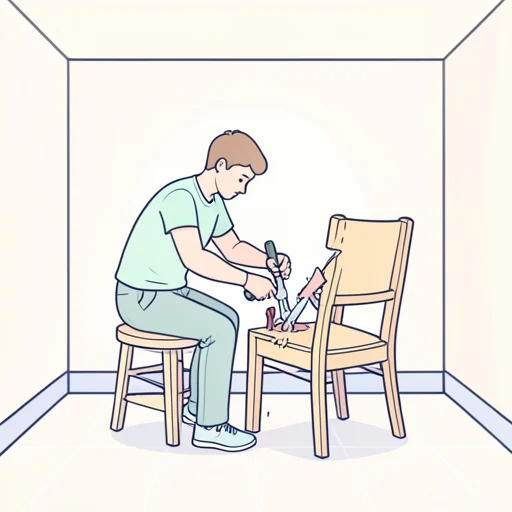
直す means to repair or correct something that is broken or wrong, returning it to its proper state; it covers both tangible objects and abstract corrections and is used across casual and formal speech.
Main meanings
- physical repair or fixing of objects or equipment
- correction of errors, mistakes, or misstatements
- straightening or putting something back on track, including plans and procedures
- restoring a condition or state to proper order
How to use it
Used across casual and formal contexts to repair tangible items or correct information; common in instructions and everyday talk; conjugates with standard forms such as 直します in polite speech and 直して in the te-form; used for both physical repair and correction of errors in texts, data, or plans; not typically used for living beings.
Variants and close terms
- 修理する (shūri suru) — repair
- 訂正する (teisei suru) — correct (a statement or text)
- 矯正する (kyōsei suru) — rectify or align
- 壊す (kowasu) — break (antonym)
- 治す (naosu) — fix or cure (different nuance)
Composition
直 means straight, direct; す is the verb suffix turning the concept into a verb; together they express the act of making something straight again, which broadens to repairing or putting right.
Etymology
Native formation The verb is built from the kanji 直 meaning straight or direct, plus the verb suffix す, yielding a native verb with the sense of making straight, fixing, or putting right; the kun'yomi nao- forms the base for conjugation.
Origin
Old Japanese usage is well-attested in classical literature; the form became widespread in Edo-period speech and remains foundational in modern Japanese.
Word class
Verb (五段動詞)