Word
言い訳
Meaning in Englishexcuse, explanation
Animated kanji stroke order
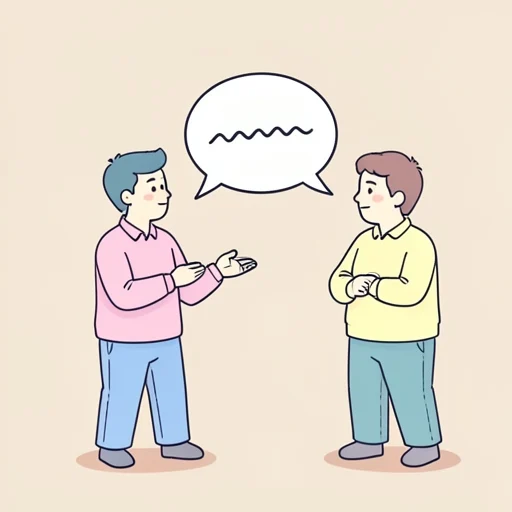
Sentence
Related sentences
Related sentences
There are no published items in this section yet.
Word context
What it means
言い訳 means an excuse or justification offered to defend oneself or avoid blame. It denotes a spoken explanation that reframes a mistake or shortcoming as excusable, and may be sincere or used to deflect responsibility.
Main meanings
- The primary sense as an excuse or justification offered to defend oneself or avoid blame
- A nuance implying insincerity or an attempt to shift responsibility
- The verb form 言い訳をする describes the act of making excuses
How to use it
Used as a noun to describe an excuse, typically appearing with 言い訳をする; common in casual speech to shift responsibility; in formal discourse, it's often avoided or criticized.
Variants and close terms
- 弁解 (benkai) — defense or apology, often more formal or sincere
- 口実 (koujitsu) — pretext or excuse that hides the real reason
- 言い逃れ (iinogare) — evasion or quibble that dodges accountability
Composition
- 言い: the stem of 言う (to say); い marks the ren'yōkei form
- 訳: a noun meaning reason, explanation, or translation
Etymology
言い is the ren'yōkei of 言う, and 訳 means reason or explanation; their combination yields a native compound for a spoken justification.
Word class
Noun (名詞)
Word
Related words by kanji and components
N1
無言
mugon
silence
N1
予言
yogen
prediction, promise, prognostication
N2
言い出す
iidasu
to start talking, to suggest
N2
言い付ける
iitsukeru
to tell, to order
N2
言付ける
kotozukeru
to leave a message
N2
言葉遣い
kotobazukai
speech, expression, wording
N2
独り言
hitorigoto
a soliloquy, a monologue, speaking to oneself
N2
方言
hougen
dialect
N2
申し訳ない
moushiwakenai
inexcusable, I am sorry
Kanji