辞める
Meaning in Englishquit, resign, retire
Animated kanji stroke order
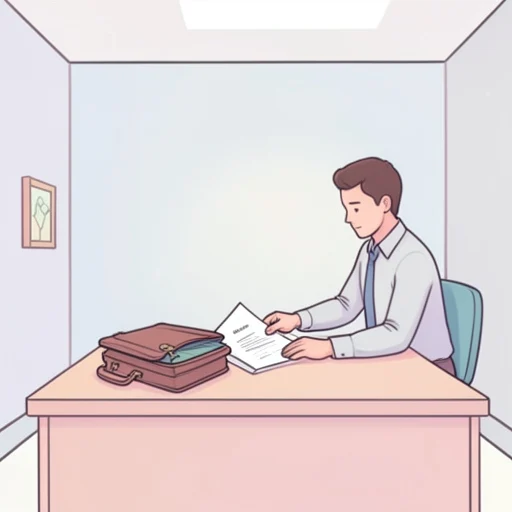
Related sentences
Related sentences
There are no published items in this section yet.
Word context
What it means
辞める (yameru) means to voluntarily end or discontinue something, most commonly used for resigning from a job or stopping an ongoing activity; it expresses the decision to cease participation, abandon a role, or halt an action and is conjugated like a standard ru-verb in speech and polite forms.
Main meanings
- 1. to cease a habitual action or habit (e.g., stop smoking or stop a routine)
- 2. to discontinue participation in clubs, classes, projects, or memberships
- 3. to abandon an attempt, plan, or course of study
- 4. colloquial imperative use to tell someone to stop doing something (used like “stop it!” in casual speech)
- 5. to decline or turn down an offer in polite contexts (e.g., refusing a proposed job or invitation)
How to use it
Used both in casual conversation and formal contexts to indicate quitting or stopping; everyday speech uses plain 辞める (yameru) and polite 辞めます (yamemasu), while written business language often prefers formal compounds; it commonly takes a direct object with を when leaving an organization and appears in commands/requests when asking someone to stop.
Variants and close terms
- 辞職する (jishoku suru) — to resign (formal)
- 退職する (taishoku suru) — to leave one's job or retire
- やめる (yameru, kana-only) — same verb written without kanji, neutral register
- 止める (tomeru) — to stop something (different nuance/kanji for ceasing an action)
- 続ける (tsuzukeru) — to continue (antonym)
Composition
- 辞 (ji / yame): the kanji carries meanings of 'resign/decline' and contains the speech radical, so when combined with the verb ending the sense becomes 'to give up/step down' (the verb ending める converts the concept into the action of stopping or resigning).
Word class
verb (transitive; ichidan — 一段動詞 / ru-verb)