Word
退く
Meaning in Englishto retreat, to recede, to withdraw
Animated kanji stroke order
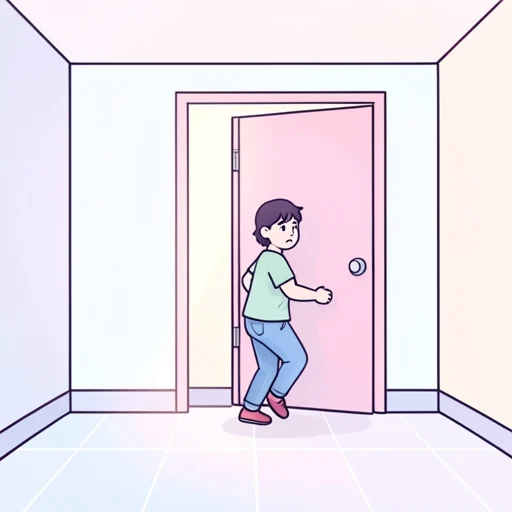
Sentence
Related sentences
Related sentences
There are no published items in this section yet.
Word context
What it means
退く means to move back or away from something, or to withdraw from a duty, position, or situation; it conveys intentional withdrawal rather than being forced.
Main meanings
- withdraw from a position or duty
- step back in a confrontation, competition, or situation
- retreat from public attention or a scene
- to bow out or resign from a role
How to use it
政界の人物が職を退く。軍は戦線から退く。会議を途中で退く。
Variants and close terms
- 下がる (sagaru) – step back
- 辞退する (jitai suru) – decline/withdraw from an opportunity
- 退場する (taijōsuru) – leave the stage
- 撤退する (tettai suru) – retreat
Composition
- 退: retreat/withdraw
- く: verb-ending that marks the native conjugation
Etymology
退 denotes retreat; く is the verb-ending; the kun-reading shirizoku has been the native pronunciation and remains in modern usage, reflecting phonetic stability of this kun-form.
Origin
Classical Japanese; attested in Heian and subsequent periods, used in courtly, military, and literary contexts to describe stepping back from influence or duty.
Word class
verb (五段活用, 自動詞)
Word
Related words by kanji and components
N1
後退
koutai
retreat, backspace
N1
退化
taika
degeneration, retrogression
N1
退治
taiji
extermination
N1
退職
taishoku
retirement (from office)
N1
脱退
dattai
secession, withdrawal
N2
退ける
dokeru
to dislodge, to put something out of the way
N3
引退
intai
retirement, withdrawal
N3
退屈
taikutsu
boredom, boring, dull
N3
辞退
jitai
refusal
Kanji