頭
Meaning in Englishhead
Animated kanji stroke order
Related sentences
Related sentences
There are no published items in this section yet.
Word context
What it means
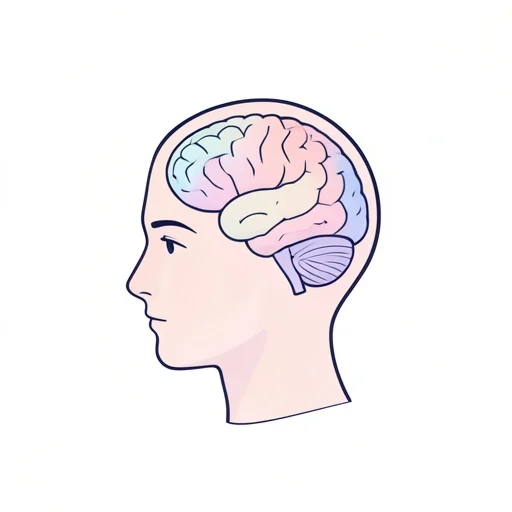
The Japanese word 頭 (atama) means the physical head of a person or animal; it refers to the anatomical part that houses the brain, senses, and face and functions as the primary center of perception and identity.
Main meanings
- 1. The mind or intellect, used when talking about thinking ability or cleverness.
- 2. A leader or chief—someone who is the head of a group or organization.
- 3. The top, beginning, or foremost part of something (e.g., the head of a line or list).
- 4. A numeric counter for large animals when used in counting contexts.
- 5. A single unit or individual in expressions meaning "per head" or headcount-related concepts.
How to use it
Common in daily speech to refer to the body part and mental capacity, in medical contexts for head-related symptoms, in compound words addressing intelligence or titles, and as a counter term when counting livestock or large animals; registers range from casual conversation to formal writing depending on compounds and grammatical constructions.
Variants and close terms
- 頭脳 (zunō) — brain, intellect
- かしら (kashira) — old-fashioned/dialectal term for head or boss
- 首 (kubi) — neck (sometimes used figuratively as leader)
- 足 (ashi) — foot/leg (antonym in body-part contrasts)
- リーダー (rīdā) — leader (loanword alternative for head of a group)
Composition
- 豆 (mame): the upper element, historically a phonetic component.
- 頁 (kashira): the lower element associated with head/page radicals indicating the concept of a head or face; together they form the character meaning "head".
Origin
The character was borrowed from Chinese logographic writing during early contact between Japan and the continent (roughly the 5th–8th centuries); it entered Japanese vocabulary alongside Chinese readings and became used in native spoken forms to name the body part and extend into figurative senses over classical and medieval periods.
Word class
noun (名詞), counter for large animals (助数詞)