しまった
Meaning in Englishdarn, too bad, I messed up
Related sentences
Word context
What it means
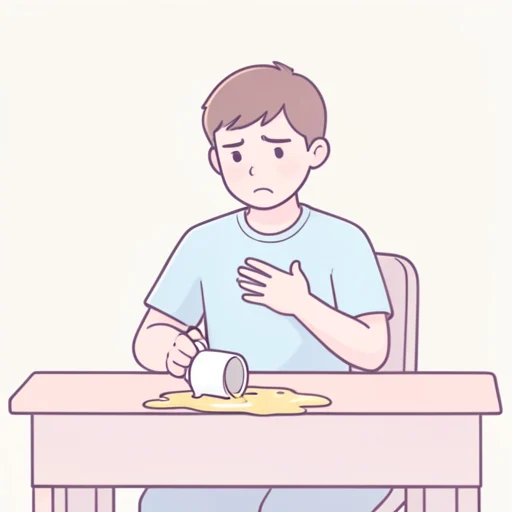
An informal exclamation used when realizing a mistake or blunder, signaling regret or surprise in casual speech; it captures the moment of recognition that you’ve done something wrong and is commonly paired with actions or explanations that acknowledge the error.
Main meanings
- Realization of a mistake, typically uttered immediately after an error, expressing regret.
- A casual exclamation of surprise or frustration when something goes wrong, especially in everyday conversation.
- Used as a standalone reaction or within a sentence to confess a blunder in informal contexts.
How to use it
Primarily used in casual spoken Japanese to express regret after a misstep or unintended action; can appear as a stand-alone interjection or as part of phrases like 〜してしまった to emphasize that the action was completed in a regrettable way; not suitable for formal writing or polite conversation.
Variants and close terms
- やってしまった (yatte shimatta) — casual, explicit equivalent meaning I ended up doing it.
- やっちゃった (yacchatta) — very casual, slangy form of the same idea.
- しまったな (shimatta na) — adds a self-reproach nuance.
- 失敗した (shippai shita) — neutral alternative meaning I failed, with similar regretful nuance.
Etymology
しまう (shimau, to end up doing, to put away) → shimatta is the ta-form past of the verb, demonstrating a common phonetic shift where u ends become tta to mark completion; this pattern explains how a verb morphs into an exclamatory past form (romaji: shimau → shimatta).
Word class
interjection (verb, ta-form of しまう)