ストップ
Meaning in Englishstop
Related sentences
Related sentences
There are no published items in this section yet.
Word context
What it means
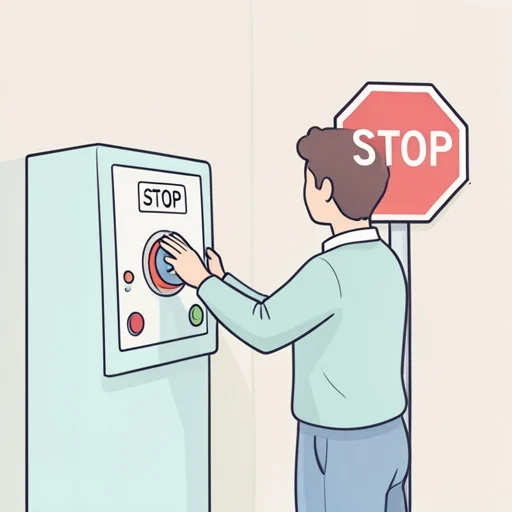
What does ストップ mean? It refers to stopping or pausing an action, event, or process, as a loanword in Japanese used as a noun and with suru-verb form to indicate stopping.
Main meanings
- command to halt or interrupt an action or process
- pause or intermission in media, music, or events
- control labels or interfaces such as a stop button on devices
How to use it
Used in formal and casual contexts to express stopping or pausing; as a noun it marks a stop or pause, and as a suru-verb ストップする it denotes the action of stopping; common in contexts like media playback, machinery controls, sports commentary, and customer service.
Variants and close terms
- 停止 (teishi)
- 中断 (chuudan)
- ブレーキ (bureki)
- 止める (tomeru)
Etymology
Loanword from English stop, adapted to Japanese phonology as sutoppu; the sequence スト corresponds to sto and ップ indicates the prolonged pp sound.
Origin
Introduced in the modern era through Western media and technology terms; became common in the 20th century across advertising, transportation, and consumer electronics.
Word class
loanword (gairaigo), noun; can function as ストップする (to stop)