剥がす
Meaning in Englishto tear off, to peel off, to rip off, to strip off, to skin, to flay, to disrobe, to deprive of, to detach, to disconnect
Animated kanji stroke order
Related sentences
Related sentences
There are no published items in this section yet.
Word context
What it means
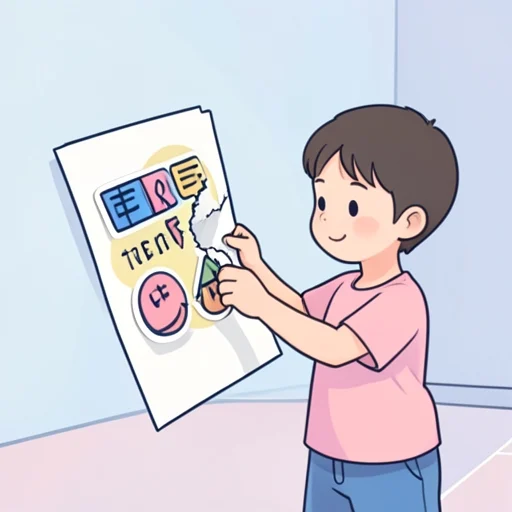
剥がす means to detach or remove something that is adhered to a surface by peeling it away. It describes actively separating an object such as a sticker, label, tape, or paint from its substrate, and is used for both literal and actionable removal tasks.
Main meanings
- physical removal of an attached item by peeling or tearing from a surface
- peeling off a coating, film, or protective layer from a surface
- figurative sense of removing outer layers or barriers to reveal what lies beneath
How to use it
Used in casual and formal contexts to describe removing something that is attached, such as a sticker, label, price tag, tape, or coating. In use, it often appears with the particle を to mark the direct object and is common in instructions, product packaging, maintenance, and cleaning contexts; typical phrases include ラベルをはがす, テープをはがす, 塗装をはがす.
Variants and close terms
- 剝がす — hagasu (old/traditional kanji variant)
- はがす — hagasu (kana form, common reading)
- 剥く — muku (to peel, related verb for peeling fruits or skin)
Composition
- 剥: peel, strip; the core idea is removing an outer layer
- がす: a phonetic suffix that forms the transitive verb meaning to peel away from a surface
Etymology
剥 meaning peel or strip; the hagasu form is a native Japanese verb created by combining this kanji with the verb ending that expresses the action of peeling away from a surface.
Word class
verb (godan) (五段動詞)