失望
Meaning in Englishdisappointment, loss of hope
Animated kanji stroke order
Related sentences
Related sentences
There are no published items in this section yet.
Word context
What it means
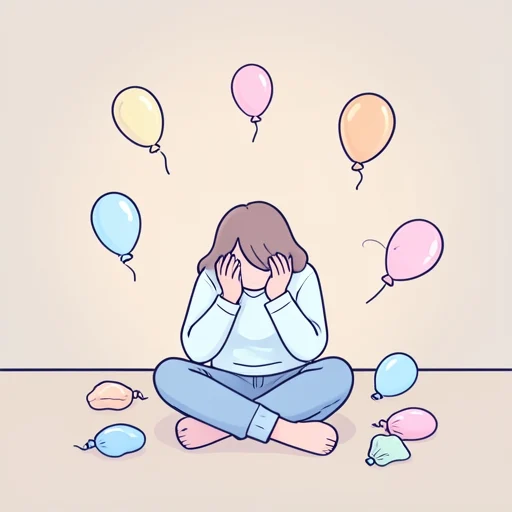
失望 (shitsubou) means the emotional state of being let down when expectations, trust, or hopes are not fulfilled; it describes a negative reaction characterized by discouragement, lowered confidence, or disillusionment rather than temporary surprise or annoyance.
Main meanings
- 1. A sustained feeling of disillusionment toward a person, institution, or outcome.
- 2. Loss of confidence in someone's abilities or promises.
- 3. A shortfall between expectation and reality that causes emotional letdown.
- 4. A formal register for expressing serious or collective dissatisfaction (e.g., public reaction).
How to use it
Appears as a standalone noun and commonly as the verb form 失望する (shitsubou suru) to indicate experiencing that reaction; found across registers from news reports and essays to personal writing, with polite speech using verbal forms and casual contexts often preferring colloquial alternatives or onomatopoeic expressions.
Variants and close terms
- がっかり (gakkari) — colloquial feeling of disappointment or being let down.
- 落胆 (rakutan) — discouragement, loss of morale, more formal.
- 期待外れ (kitai hazure) — letdown, failing to meet expectations (noun/adjective phrase).
- 希望 (kibou) — hope (antonym).
Composition
- 失 — means to lose, miss, or fail.
- 望 — means hope, desire, or expectation.
- Together they form a compound that literally links losing/failing and expectation to convey a state of lost hope or unmet expectation.
Origin
A Sino-Japanese compound adopted from Classical Chinese vocabulary and incorporated into Japanese writing and speech systems; its use became widespread in modern Japanese literature, journalism, and formal discourse as a concise term for the psychological response to unmet expectations.
Word class
noun (suru-verb; 名詞・サ変名詞)